


Wind Proofing Your Gazebo: Practical Tips and Tricks
|Effective wind proofing your gazebo starts with the conditions surrounding the structure, then moves to the gazebo itself. Homeowners can evaluate exposure, check for developing problems, and adjust how they maintain the space during windier parts of the year. The goal is practical preparation based on the property and the gazebo’s intended installation.
Start With the Gazebo’s Wind Exposure
The same gazebo can face very different conditions depending on where it sits on the property. An open yard may leave the structure directly exposed to prevailing winds, while nearby buildings or established landscaping can interrupt some airflow. Elevated locations may face different conditions from lower areas with more surrounding shelters.
Pay attention to how wind moves across the property during ordinary windy days. Recurring gust direction can show which side of the gazebo receives the most exposure and whether nearby features provide meaningful shelter. These observations give homeowners a property-specific starting point before they consider changes to the structure or surrounding area.
Inspect the Structure Before Windy Weather Arrives
Once homeowners understand the site’s exposure, they can establish whether the gazebo remains in its expected condition. Look for visible deterioration or movement that wasn’t present during previous inspections, particularly after storms or periods of harsh weather. Changes in alignment can indicate that part of the structure deserves closer attention.
This initial review is a condition check to compare anything unusual with the gazebo’s maintenance information and determine whether the issue falls within routine upkeep. Establishing a baseline makes future changes easier to recognize after another period of strong wind.
Check How the Gazebo Connects to Its Foundation
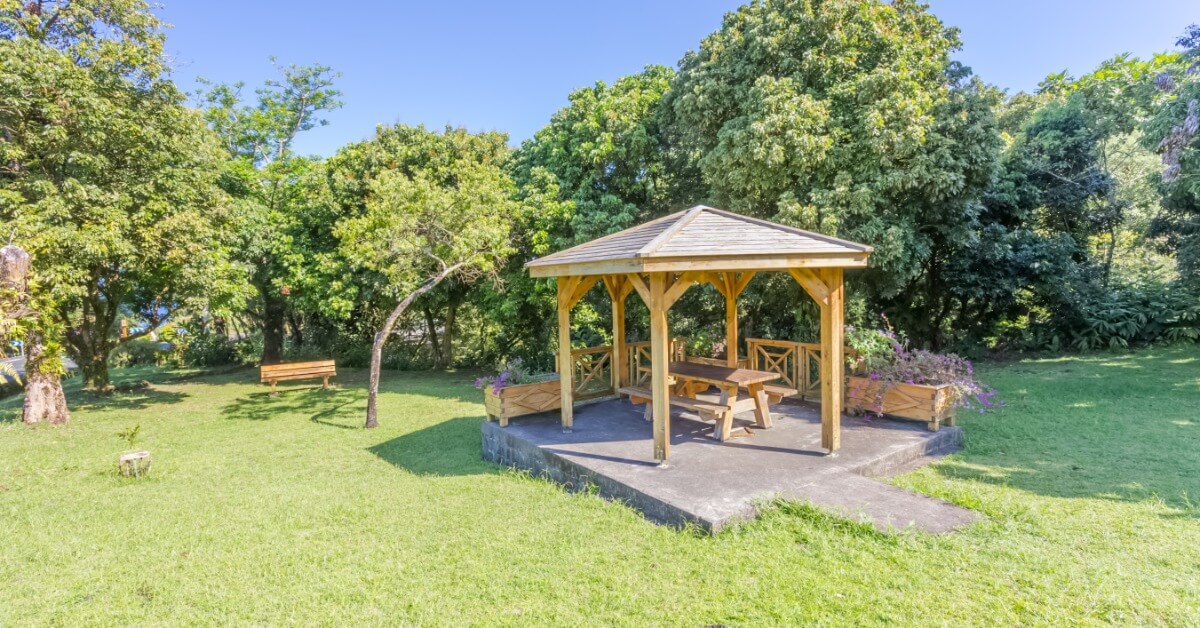
After assessing general conditions, shift attention to the point where the gazebo meets its foundation. That connection contributes to the structure’s stability, but appropriate installation methods depend on the gazebo design and the surface supporting it.
Review accessible areas around the base for changes that could indicate a problem with the existing installation. The manufacturer’s assembly information should guide decisions about the intended connection method and applicable hardware. This treats anchoring as one part of wind readiness because broader securing techniques belong to the installation guidance for the specific structure.
Pay Attention to Roof and Frame Connections
As gusts reach the roof, the resulting force moves through connected parts of the structure, making the condition of roof-to-frame connections relevant to wind preparation.
Homeowners can visually review accessible connection points for changes from their normal condition without altering the structural design. A component that has shifted or no longer appears properly connected deserves attention before severe weather places more pressure on it. Follow the gazebo documentation when evaluating whether maintenance is appropriate.
Reduce Problems From Loose Outdoor Items
Preparing the structure won’t address every wind-related concern if movable objects remain around it. Outdoor furniture can shift during strong gusts, while lightweight decorations may become airborne and strike the gazebo or other property.
Check the forecast early enough to move vulnerable items before conditions deteriorate. Cushions and smaller accessories can go into a protected storage area, and homeowners should handle larger furnishings according to their product instructions. The immediate area should contain fewer objects capable of moving unpredictably once the wind strengthens.
Consider How Accessories Interact With Wind
Attached accessories create a different concern because they can change the surface presented to moving air. Curtains or screens that seem harmless during calm weather may behave differently when gusts push against them, particularly when their position restricts airflow through part of the gazebo.
Don’t assume that closing an accessory provides better protection during a storm. The correct configuration depends on how the manufacturer designed that component to function in windy conditions. Reviewing those instructions ahead of time allows homeowners to make deliberate adjustments before weather conditions become difficult to manage.
Adjust Your Routine for Seasonal Wind Conditions
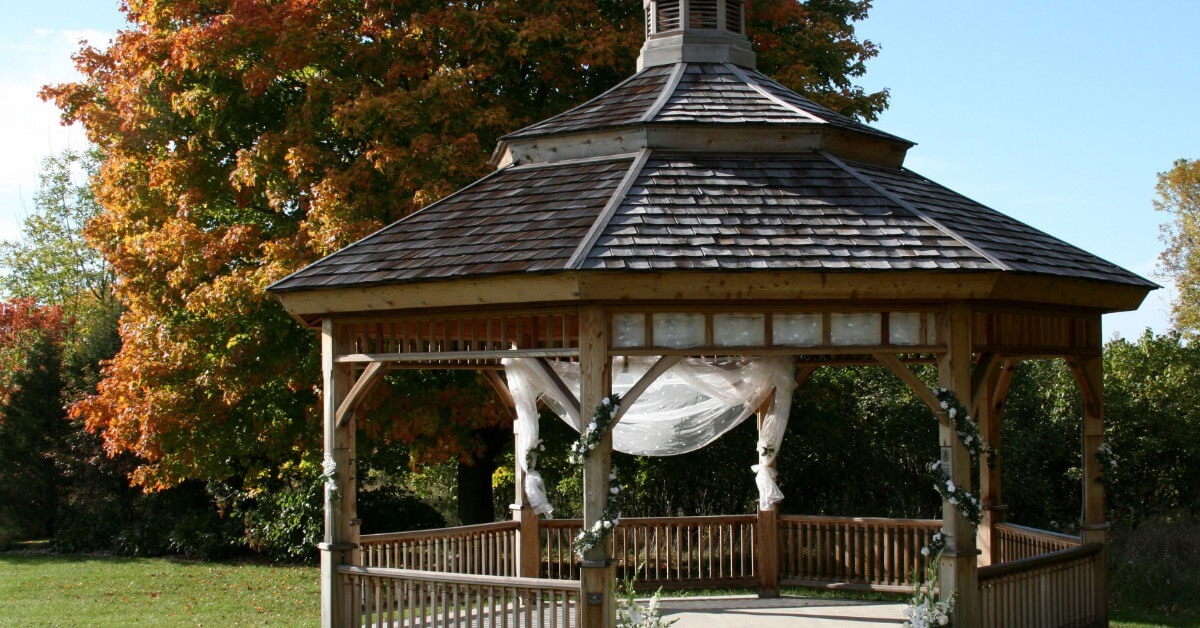
Wind readiness becomes easier when homeowners connect it to the seasons instead of waiting for an individual storm warning. If a property regularly experiences stronger winds during a particular part of the year, use that period as a cue to review the outdoor setup in advance.
Seasonal preparation may involve changing how homeowners use accessories or where they keep lightweight furnishings when the gazebo isn’t in use. The routine should reflect conditions that actually occur on the property, not a generic calendar. Planning ahead reduces the number of decisions that need to happen when strong wind is approaching.
Know When a Condition Needs Professional Attention
Routine observation has limits, especially when a concern involves structural movement or uncertainty about the original installation. A gazebo that appears to shift at its base or shows damage affecting structural components may require more than ordinary homeowner maintenance.
At that point, avoid adding improvised reinforcement simply because it appears capable of making the structure stronger. The manufacturer or installer can provide information about the intended assembly, while a qualified professional can evaluate concerns that fall outside routine upkeep. Escalating the issue becomes important when homeowners can’t determine whether the existing installation still matches its intended configuration.
Factor Wind Conditions Into a New Gazebo Purchase
Homeowners planning a new gazebo have an opportunity to consider exposure before installation begins. Observing prevailing wind conditions can inform conversations about placement and foundation requirements.
When comparing vinyl gazebos, share relevant site conditions with the manufacturer or installer before finalizing the project. An exposed yard may raise different installation questions from a sheltered setting, and discussing those conditions early gives the project team more useful information. Homeowners can then evaluate the structure and installation approach with the actual property in mind.
Prepare Your Gazebo Before the Wind Picks Up
Practical wind proofing for a gazebo depends on preparation that starts well before severe weather reaches the property. Site exposure provides the context, while routine observation helps homeowners recognize when the structure or surrounding setup has changed. Product-specific guidance can then direct any action that goes beyond normal outdoor maintenance.
A consistent approach can make wind readiness part of regular gazebo ownership without encouraging unnecessary structural modifications. Homeowners who know how their property responds to windy conditions can prepare earlier and recognize when a concern needs additional expertise.
Gazebo Depot offers gazebo options for homeowners planning outdoor spaces around their property needs. Browse Gazebo Depot’s gazebo selection to compare available structures and consider which design fits your outdoor plans.