

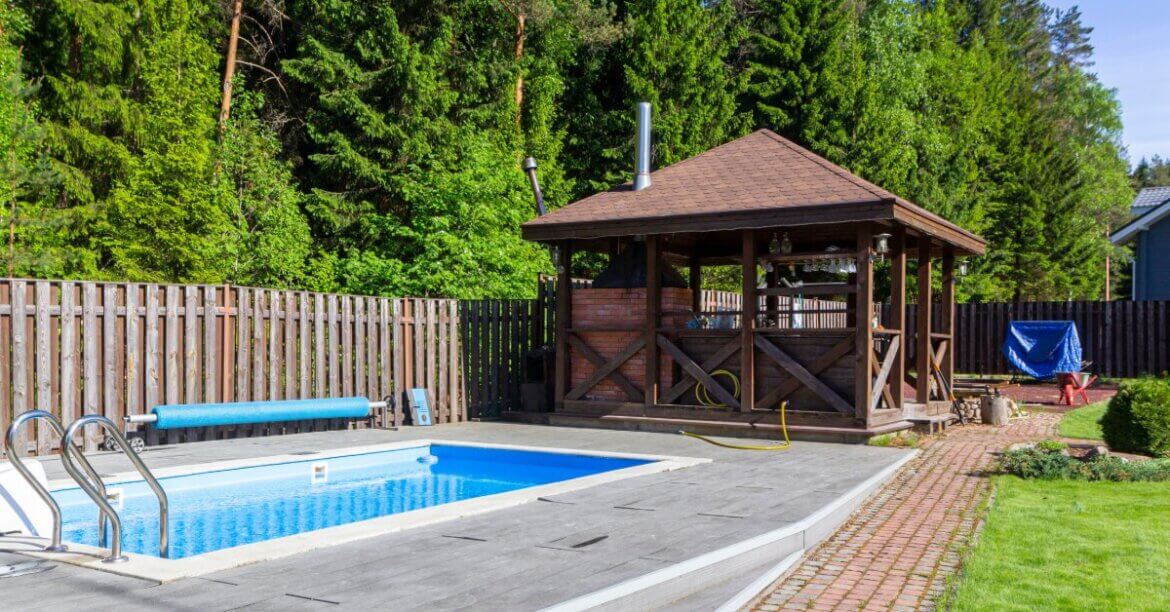
The Ultimate Guide to Choosing the Perfect Poolside Gazebo
|Choosing the perfect poolside gazebo starts with deciding how the covered space should function before comparing dimensions and styles. Placement affects how useful the shade will be, while planned furniture influences how much covered space makes sense. Working through these decisions in order can help homeowners choose a gazebo that feels connected to the pool area.
Define What the Poolside Gazebo Needs To Do
Before comparing gazebo dimensions, decide what the covered space should add to the pool area. Some homeowners primarily want a shaded retreat between swims, while others need enough room for family members to settle in for longer periods.
When homeowners consider what currently feels missing beside the pool, their everyday habits can clarify which features deserve priority. If people regularly move chairs to escape direct sun, dependable roof coverage may matter more than a large entertaining footprint, while households that spend entire afternoons outside may benefit from additional room for comfortable seating.
Choose a Location That Works With the Pool
Once the purpose is clear, evaluate where the gazebo can sit without disrupting how people already use the property. A location close to the water can make the covered area convenient, but the structure shouldn’t crowd frequently used routes around the pool.
Because existing property features can limit where a gazebo fits comfortably, homeowners should evaluate the surrounding layout before settling on a location. Landscaping and the position of the home can influence the available footprint, especially when the pool already occupies a substantial portion of the backyard.
Before installation plans become firm, homeowners should check whether local requirements affect the proposed location. Applicable setbacks or other placement rules may influence where a permanent outdoor structure belongs, making this an important step before committing to the site.
Match the Gazebo Size to the Available Space
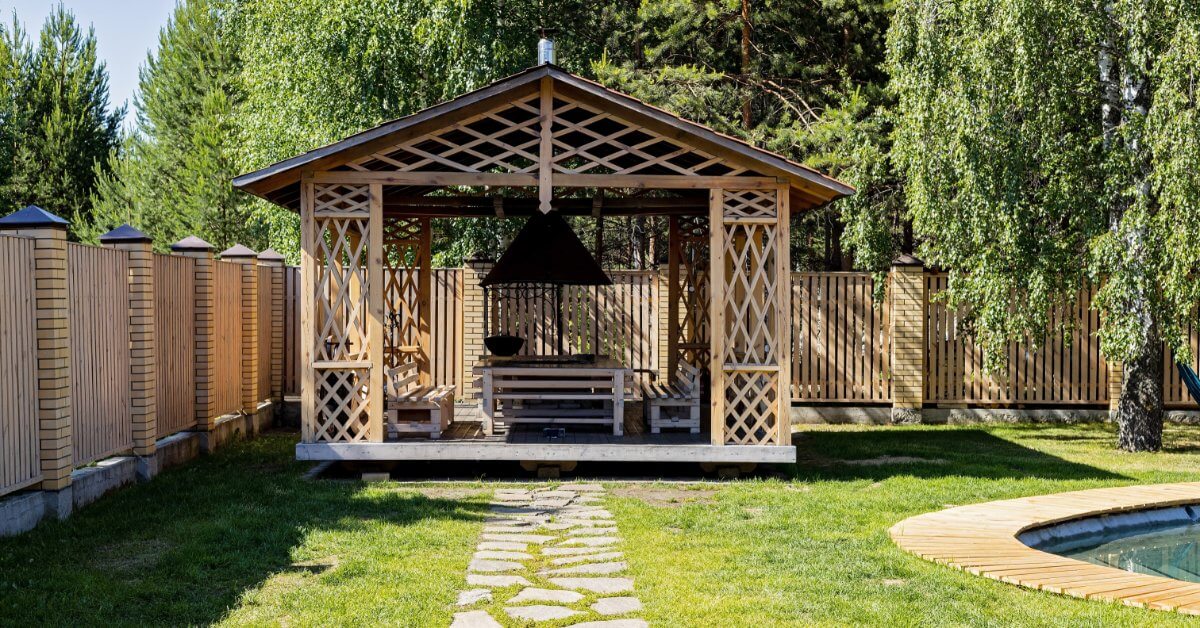
A large gazebo can provide generous covered space, but additional square footage isn’t automatically better beside a pool. The structure needs to fit the available area without overwhelming the pool deck or consuming space swimmers use to get around.
Measure the proposed footprint instead of judging size from product photos alone. Marking the approximate corners can help homeowners visualize how much open area will remain and eliminate dimensions that would make the setting feel crowded.
Plan Shade Around the Times You Use the Pool
Although a gazebo roof creates dependable overhead coverage, its location affects where that shade benefits the household most throughout the day. A spot that works well during a morning swim may provide a different experience when the family typically gathers outside later in the afternoon.
By observing the pool area during the hours when people spend the most time there, homeowners can see how existing conditions already affect sun exposure. Mature trees and the home itself may shade portions of the yard as the sun moves, changing where additional coverage would be most useful.
When deciding where that coverage should fall, homeowners should consider how they expect to use the gazebo during their usual pool hours. A seating area occupied for longer stretches may call for different placement than a smaller retreat intended mainly for short breaks between swims.
Leave Comfortable Circulation Around the Structure
Because the gazebo becomes part of the larger poolside layout, homeowners should account for the space people need to move comfortably around its exterior. Swimmers need practical routes around the water, while family members may repeatedly travel between the house and covered seating throughout the day.
When evaluating the proposed location, consider how the gazebo entrance connects with the paths people already use around the pool. Structural posts shouldn’t create awkward bottlenecks, particularly where swimmers leave the water, and preserving sufficient circulation allows the structure to fit into the existing layout without disrupting movement.
Choose Wood With the Setting in Mind
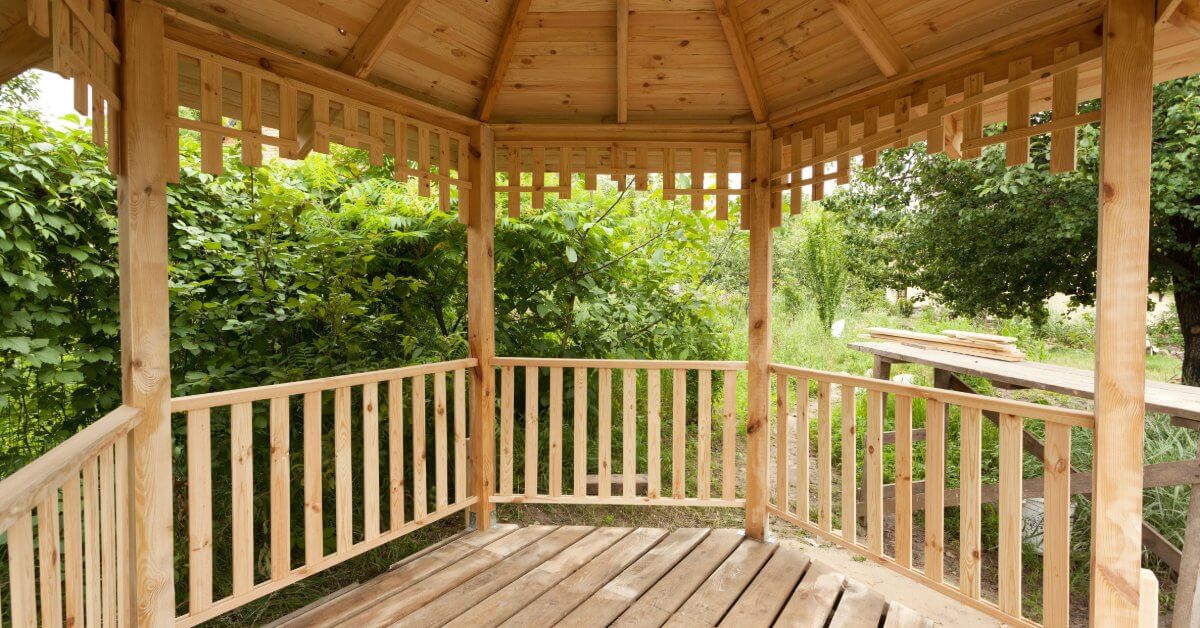
For homeowners who prefer a traditional appearance, an outdoor wooden gazebo can create a natural transition between the pool and surrounding landscape. Wood may fit particularly well where the property already incorporates similar materials.
Because splashing and wet conditions become part of the structure’s environment, poolside placement introduces maintenance considerations that homeowners should evaluate before selecting. Care requirements vary by gazebo and material, making product-specific guidance useful when comparing options.
Before choosing a gazebo based primarily on appearance, homeowners should consider whether its recommended care fits the amount of upkeep they want to manage. A structure that complements the property visually should remain practical within the household’s normal outdoor maintenance routine.
Think Through Seating Before Finalizing the Footprint
Gazebo dimensions describe the structure, but furniture determines how much of the interior remains usable. A dining table requires different clearance from lounge seating, particularly when people need room to get up and move toward the pool.
Before settling on a size, sketch the intended furniture arrangement and check whether the layout leaves room to:
- Pull chairs out without crowding a post
- Enter and leave the gazebo comfortably
- Move between seating and the pool
- Keep wet traffic away from dry belongings
Using actual furniture dimensions makes this exercise more useful than estimating. Homeowners can mark the approximate layout within the proposed footprint and see how much open floor area remains once the main furnishings are in place.
Account for Poolside Water and Routine Maintenance
Because swimmers regularly move between the water and covered seating, the area surrounding a pool experiences different traffic patterns from the rest of the backyard. Positioning the gazebo outside the busiest wet-traffic route can create a more comfortable place for people to relax while keeping personal belongings away from frequent splashing.
When evaluating the proposed footprint, homeowners should account for the access needed to clean the pool and reach nearby equipment. Leaving sufficient working space around those areas allows routine maintenance to continue without the gazebo becoming an obstacle.
Bring the Pool Area Together Visually
After resolving the functional decisions, consider how the gazebo relates to the rest of the property. Roof style and wood finish can connect the structure to its surroundings without requiring it to duplicate the home’s appearance.
Use existing architectural details as reference points when comparing designs. Compatible materials or proportions can establish visual continuity while allowing the gazebo to remain a distinct destination beside the pool.
Make the Final Choice Around Daily Pool Use
Choosing the right poolside gazebo ultimately comes back to how the household expects to use the finished space. A suitable structure should provide useful coverage without interfering with movement or making the pool area feel constrained.
Before ordering, revisit the proposed footprint with the intended furniture in mind and picture how the area will function during a typical pool day. The final choice should support established routines while leaving the surrounding space practical for swimming and pool care.
Gazebo Depot offers pine and cedar gazebo options for homeowners planning covered outdoor spaces. Browse Gazebo Depot’s pine and cedar gazebos to compare designs for your poolside plans.