

How To Design an Outdoor Kitchen Area for All Seasons
|An outdoor kitchen can remain useful beyond summer when its design accounts for the conditions homeowners experience during other parts of the year. As temperatures and daylight change, decisions that seem minor during warm weather can determine whether the cooking area remains convenient enough to use.
Planning around those changes from the beginning gives each permanent feature a clearer purpose. For homeowners considering how to design an outdoor kitchen area for all seasons, the process starts with choosing a suitable location and continues through the practical decisions that affect year-round use.
Start With the Kitchen’s Year-Round Location
Although a sunny corner of the yard may look appealing during warmer months, the same location can function differently once seasonal conditions change. Homeowners should consider the area’s exposure throughout the year along with its connection to the house before establishing the kitchen footprint.
A reasonably direct route from the house can make carrying food and supplies more convenient when the weather becomes less comfortable. Before finalizing the location, homeowners can observe how they already move through the backyard and consider whether drainage or wet conditions could interfere with that route during other seasons.
Plan Shelter Around Seasonal Exposure
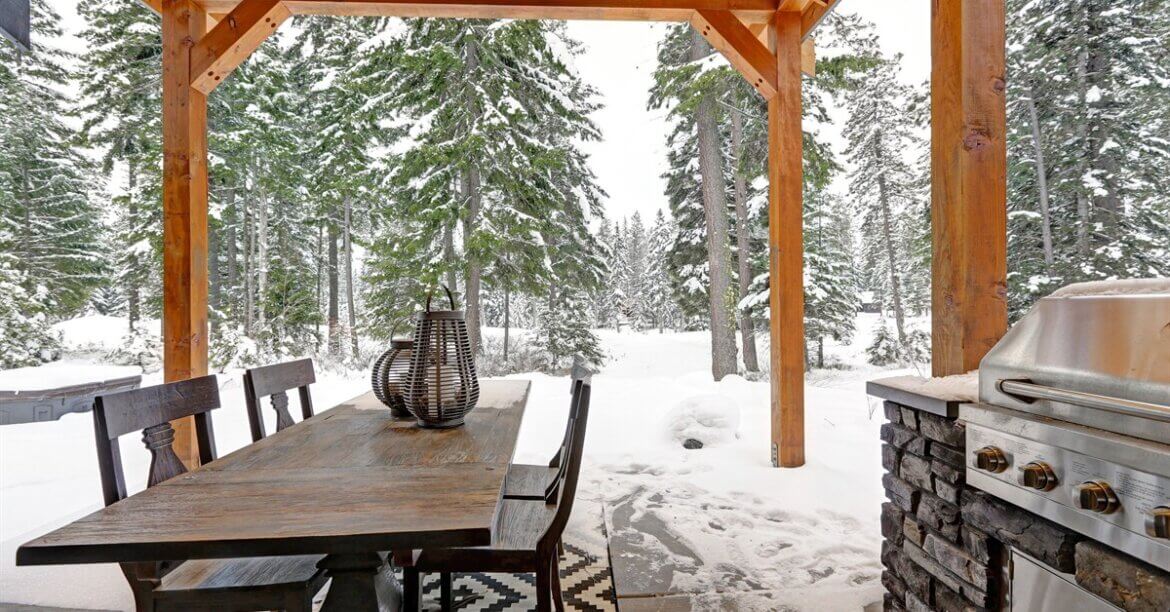
When homeowners want to use an outdoor kitchen through more than one season, overhead shelter can reduce its dependence on completely clear weather. Coverage above the primary work area can provide relief from direct sun while giving homeowners more flexibility when light precipitation occurs.
Homeowners considering Amish gazebos within a broader backyard plan should evaluate how the structure and outdoor kitchen can safely function within the same setting. Cooking equipment must follow its own manufacturer requirements for installation, ventilation, and clearance, so homeowners shouldn’t assume that an appliance can operate beneath a particular structure without confirming those specifications.
Exposure from the sides deserves separate consideration because a roof alone doesn’t address every seasonal condition. Homeowners can track seasonal weather patterns and shifting sunlight to choose an orientation that keeps the outdoor kitchen practical throughout the year.
Determine Utility Needs Before Fixing the Layout
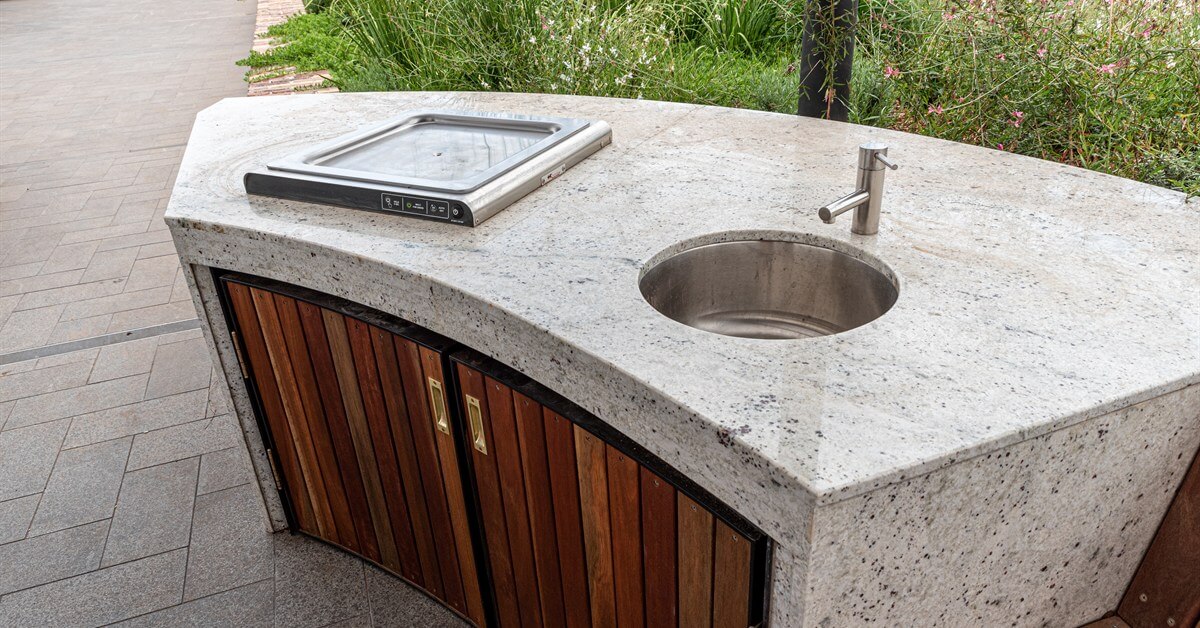
Because appliances can determine where utility connections need to go, homeowners should identify their equipment requirements before committing to permanent counters or work areas. Moving a feature on paper is considerably simpler than redesigning the kitchen after utility work has already established its location.
Electrical or plumbing requirements will depend on the equipment included in the project. Fuel connections may introduce additional considerations, so homeowners should follow appliance specifications and use qualified professionals when the installation calls for them.
Seasonal temperatures can also influence how homeowners plan and maintain outdoor utility systems. By accounting for climate-specific preparation early in the design process, homeowners can choose a layout that accommodates those requirements before construction begins.
Choose Materials for the Outdoor Setting
Even beneath a roof, an outdoor kitchen encounters conditions that an indoor kitchen doesn’t. Moisture and temperature changes can affect exposed surfaces, which makes suitability for outdoor installation more important than appearance alone.
Homeowners can compare countertops and cabinetry according to manufacturer guidance for their intended application, while flooring should receive the same consideration based on its outdoor setting. Once practical requirements narrow the choices, repeating an established material or tone can visually connect the kitchen with nearby outdoor features without requiring every component to match.
Prepare for Shorter Days With Purposeful Lighting
As daylight hours decrease, an outdoor kitchen that works well during summer afternoons may become difficult to use around the same dinner hour later in the year. Lighting should therefore support the activities that continue after natural light fades.
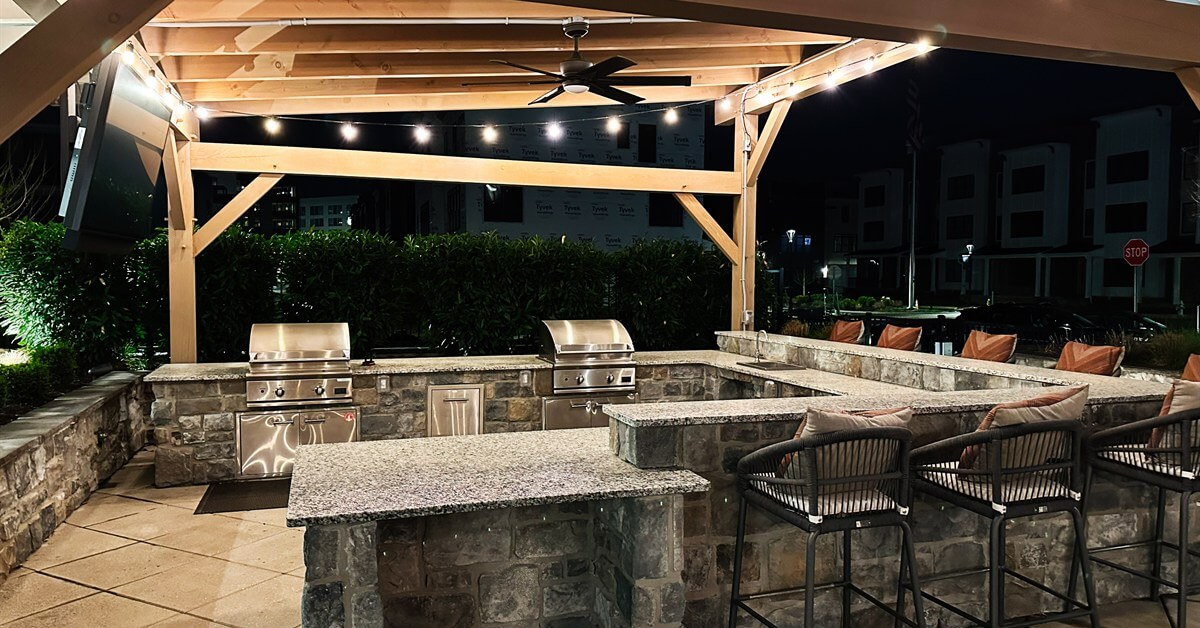
General illumination can provide visibility across the covered area, while focused task lighting can address counters where homeowners prepare or serve food. Separating those purposes allows each fixture to do a specific job without making the entire kitchen brighter than necessary.
Because outdoor electrical products have installation requirements of their own, homeowners should select fixtures suitable for the intended setting and follow applicable manufacturer guidance. Planning their locations before construction can keep lighting integrated with the kitchen.
Let the Kitchen Adapt to Seasonal Routines
Designing for multiple seasons doesn’t mean the outdoor kitchen has to function identically every month. Homeowners may spend long periods outside during mild weather but use the space for shorter cooking sessions once conditions become less comfortable.
Permanent features should support those changing routines without requiring major rearrangement. Keeping some furnishings movable, for example, allows homeowners to adjust how much of the surrounding area they use while leaving the primary kitchen layout intact. Leaving enough open space around fixed features can also make those seasonal adjustments easier without disrupting access to the cooking area.
Thinking through a realistic cold-weather evening can expose problems that aren’t obvious during summer planning. If reaching the kitchen or using its main work area becomes impractical under those conditions, homeowners can reconsider the design before permanent decisions limit their options.
Build Seasonal Maintenance Into the Plan
Since an outdoor kitchen experiences changing weather even when homeowners use it less frequently, maintenance should be part of the year-round plan. The specific care required will depend on the appliances and materials installed rather than one routine that applies to every outdoor kitchen.
Manufacturer instructions should guide cleaning and seasonal preparation for individual components. Reviewing those requirements before purchasing equipment can give homeowners a clearer picture of what ownership will involve once the kitchen is complete.
Scheduling a basic inspection as seasons change can make routine care easier to manage. Homeowners can use those seasonal checks to review exposed surfaces and confirm that outdoor equipment remains in suitable condition for upcoming use. Addressing maintenance needs before the next period of frequent use can prevent homeowners from discovering them when they’re ready to start cooking outside again.
Design an Outdoor Kitchen for Life Beyond Summer
A successful approach to designing an outdoor kitchen area for all seasons begins by considering what changes once ideal summer conditions disappear. Looking at the project through different seasonal scenarios can expose limitations early, allowing homeowners to make permanent decisions around how they realistically expect to use the backyard.
For homeowners incorporating a covered structure into a larger outdoor plan, Gazebo Depot offers customizable gazebos for residential settings. Browse Gazebo Depot to consider options for your backyard project.