


7 Easy Backyard Upgrades That Make a Big Impact
|The most effective projects address a specific weakness instead of adding features without a clear purpose. These easy backyard upgrades that make a big impact offer distinct ways to improve function and appearance while giving homeowners flexibility to choose projects that fit their existing space.
1. Define Outdoor Areas With Clearer Boundaries
When a backyard supports different activities without much separation between them, the entire space can feel less organized than its size would suggest. Creating clearer boundaries can give each part of the yard a recognizable purpose while maintaining a connected overall layout.
Homeowners don’t necessarily need walls or permanent barriers to establish those divisions. Changes in surface material, furniture placement, or landscaping can visually distinguish one area from another while preserving comfortable movement between them.
Before adding new features, homeowners can identify where one activity naturally transitions into another and reinforce those existing divisions. This approach can make the yard feel more deliberate without requiring major structural changes.
2. Improve the Paths Between Frequently Used Spaces
A backyard may contain useful features but still feel inconvenient when people must navigate awkward routes between them. Improving the connection from the house to a dining area, garden, or other destination can make the layout easier to use.
Depending on the property, that improvement might involve extending an existing walkway or creating a more direct route across a frequently traveled portion of the yard. The goal is to support the way people already move instead of forcing them around furniture or through landscaped areas.
Because circulation affects several parts of a backyard at once, homeowners should evaluate walking routes before filling open areas with additional features. Preserving practical connections can prevent later upgrades from creating new obstacles.
3. Create a More Comfortable Seating Area
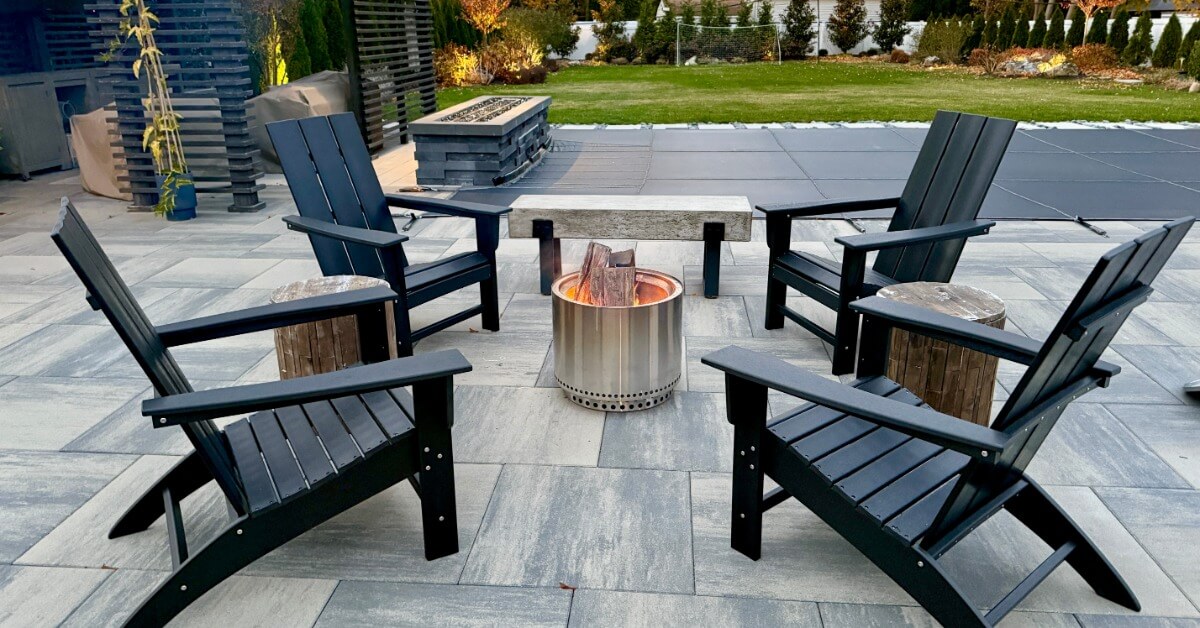
When outdoor furniture sits wherever space happens to be available, the seating area may never feel like a destination of its own. Grouping furniture around a defined conversation or relaxation area can make even a modest portion of the backyard feel more usable.
Homeowners can start by considering how many people typically use the space and how they interact when seated. Arranging chairs so people can converse comfortably may provide more everyday value than simply maximizing the number of seats.
Small supporting additions can strengthen the area without changing its basic layout. A side table or another practical surface can give people a place for drinks and personal items while keeping the seating arrangement focused on its primary purpose.
4. Add a Pavilion as a Backyard Focal Point
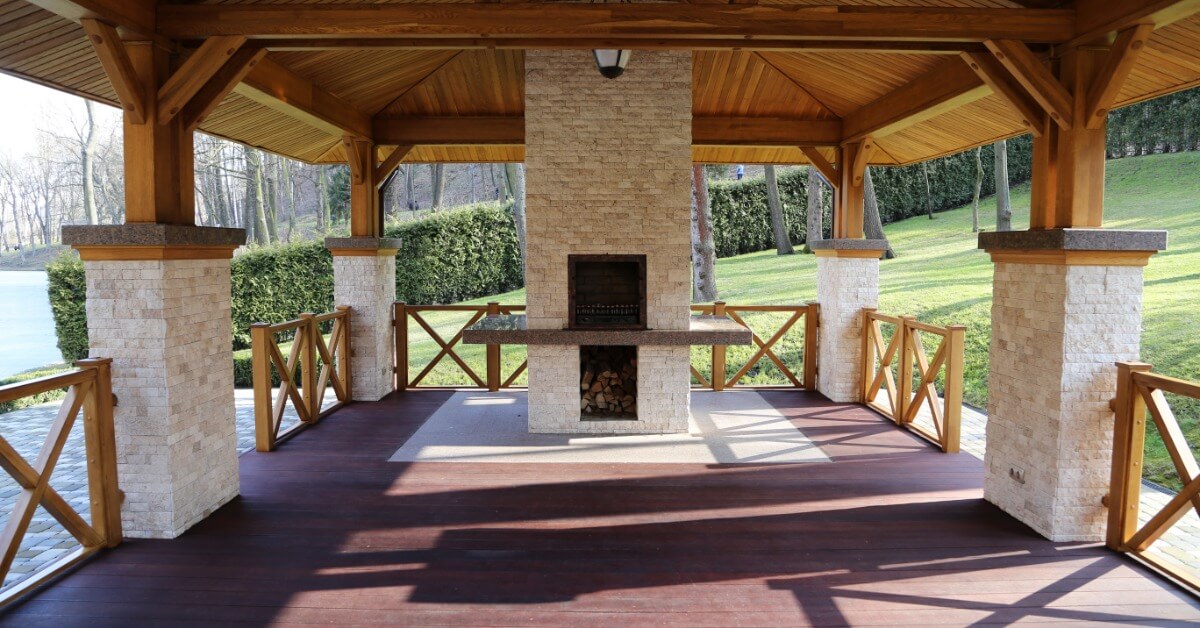
For homeowners ready to make a more substantial change, a pavilion can establish a permanent destination within an otherwise open backyard. Its roof defines a covered area for outdoor use while giving nearby furniture and landscape features a stronger visual anchor.
A backyard wood pavilion can work particularly well when homeowners want the structure to become part of the property’s broader outdoor layout. Before choosing a location or size, they should consider how the pavilion will relate to existing gathering areas and the routes people already use through the yard.
Because this upgrade affects more space than rearranging furniture or refreshing landscaping, homeowners should evaluate the available footprint before making a selection. The pavilion should contribute to a clear function without crowding the features that already make the backyard useful.
5. Refresh Landscaping Around Key Gathering Areas
Landscaping can change how an outdoor area feels without requiring homeowners to redesign the entire yard. Concentrating updates around patios, seating areas, or other frequently used spaces can create a stronger visual connection between those destinations and the surrounding property.
Rather than spreading new plants evenly across the backyard, homeowners can focus attention where landscaping will frame an existing feature or soften a transition between different areas. This targeted approach can make a smaller project feel more intentional.
Existing growing conditions should guide plant selection and placement. Choosing landscaping that suits the site’s available light and space can keep the upgrade connected to the property instead of treating plants as decoration added independently of the setting.
6. Give Everyday Outdoor Items a Defined Home
Even a well-designed backyard can feel cluttered when frequently used items accumulate around seating areas or exterior doors. Establishing dedicated places for cushions, gardening supplies, children’s outdoor items, or other belongings can free the main gathering areas from unnecessary visual clutter.
Homeowners can begin by identifying which items regularly migrate across the yard because they lack a convenient storage location. Keeping those belongings near the places where people use them can make cleanup easier without turning storage itself into the focus of the backyard.
When storage solutions fit naturally along an existing edge or within another functional area, they can support the layout without consuming valuable gathering space. The improvement comes from making the yard easier to maintain between uses.
7. Repeat Finishes to Create a More Cohesive Look
After functional improvements are in place, repeating selected finishes can help separate backyard features feel more connected. Furniture, planters, structural elements, and other outdoor details don’t need to match exactly, but a few shared visual cues can give the property a more deliberate appearance.
Homeowners can look at materials and tones that already appear in the house or established outdoor features before introducing something entirely different. Carrying one or two of those details into newer additions can create continuity without requiring every part of the backyard to follow the same design.
Because cohesion depends on relationships between features, this step works best after homeowners decide how the yard should function. Visual consistency can then reinforce the layout instead of disguising problems that better planning should solve first.
Make Backyard Upgrades Work Together
The best easy backyard upgrades that make a big impact improve how individual parts of the property work while strengthening the use and visual appeal of the yard. Before choosing the next project, homeowners can identify the part of the backyard that currently limits how they use the space. Starting with that specific problem makes it easier to choose an upgrade with a clear purpose and evaluate how it will relate to future improvements.
For homeowners considering a covered structure as part of a broader backyard plan, Gazebo Depot offers wood pavilion options for outdoor gathering areas. Browse Gazebo Depot’s collection and find a structure that fits your outdoor space.