

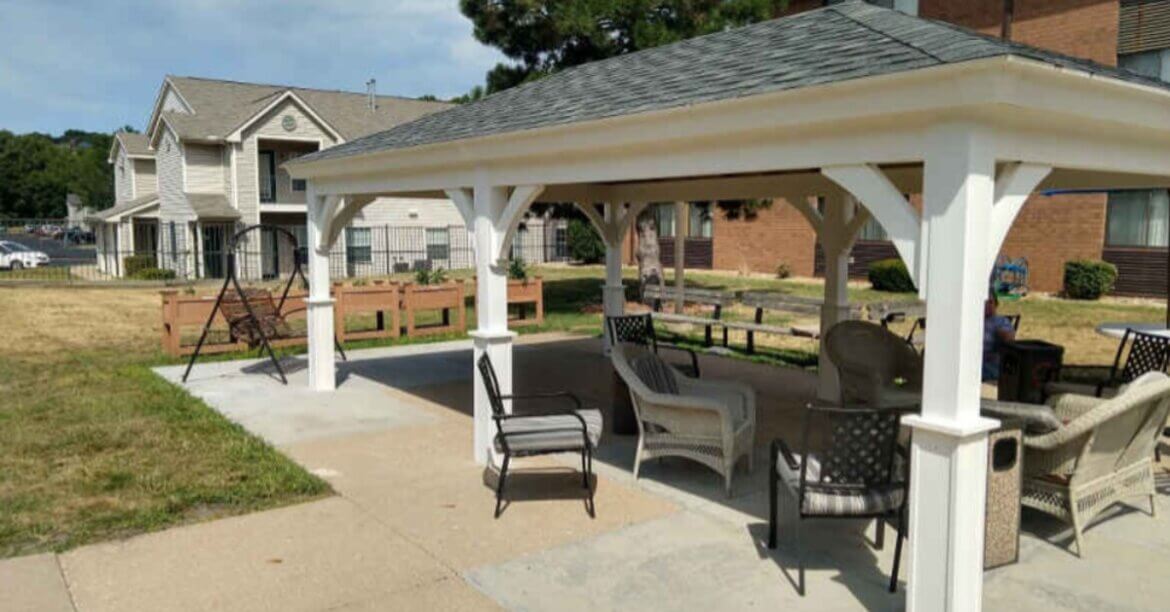
Don’t Make These 7 Mistakes When Securing Your Gazebo
|Poor securing choices can create safety concerns and extra maintenance. Gazebo Depot supplies high-quality outdoor structures for homeowners who want dependable backyard additions.
The right setup helps each gazebo stay stable and ready for the seasons ahead. Keep reading to learn seven common mistakes to avoid when securing your gazebo for the future.
Why Proper Gazebo Securing Matters
A gazebo needs more than a good location to stay reliable. It needs a firm base and a securing method that matches the structure. A well-secured gazebo supports better long-term performance.
Wind and soil movement can affect how a gazebo sits over time. Drainage issues can also place stress on posts and connection points, which is why a secure structure and foundation is so important.
Mistake 1: Choosing An Uneven Location
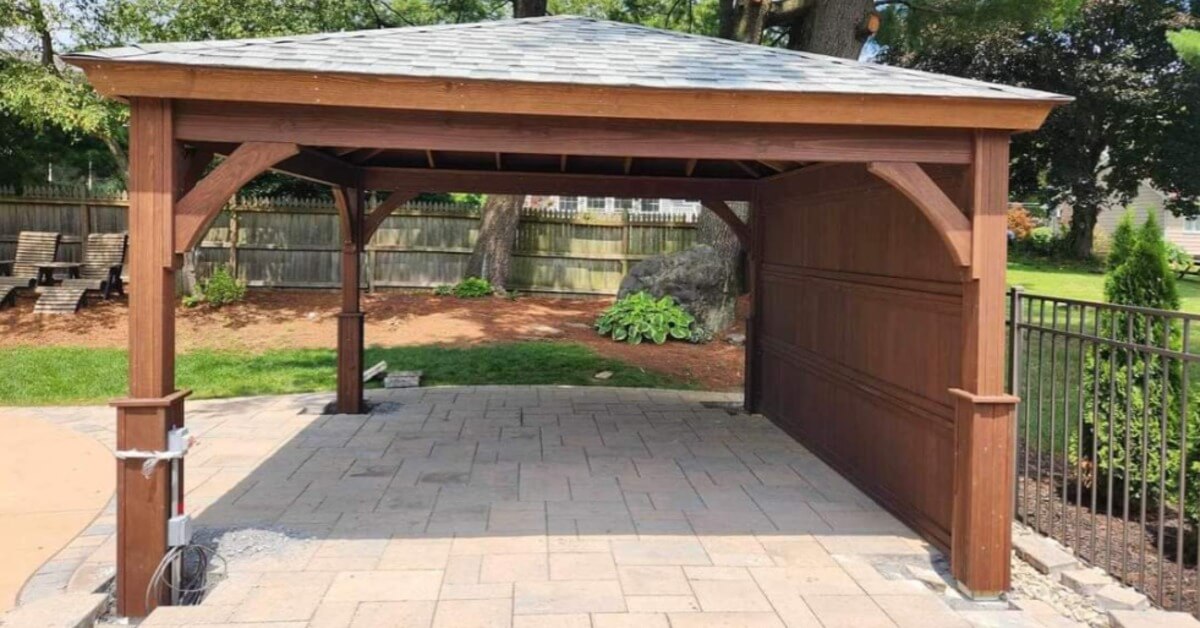
An uneven location can create problems before installation begins. A gazebo needs a level surface so the weight can spread correctly. Sloped ground may cause one side to carry more pressure than the other, which can affect doors and roof alignment.
Homeowners should review the area before choosing a final spot. The best location should feel stable underfoot and allow proper access around the structure. A level pad or prepared yard area can give the gazebo a stronger start.
Mistake 2: Ignoring Soil and Surface Conditions
Not every surface can support a gazebo in the same way. Soil type and surface strength can affect how well the structure stays in place. Loose soil may shift after heavy rain or seasonal changes. Soft ground may also allow anchors to move under repeated pressure.
Concrete and deck surfaces require different securing methods. Prepared pads and pavers also need the correct approach. The wrong fasteners can weaken the installation and damage the surface beneath the structure. A quick surface review can prevent future movement.
Mistake 3: Using The Wrong Anchoring Method
Anchoring methods should match the gazebo style and the installation surface. A method that works for one location may not work for another. Some installations need hardware for concrete. Others may need deck fasteners or ground anchoring designed for outdoor structures.
Using the wrong method can make the gazebo less stable. It can also damage the site around the structure.
Before installation, homeowners should confirm the proper anchoring approach. Product instructions and professional guidance can help match the structure to the site.
Common anchoring details to review include:
- Surface type
- Gazebo size
- Local wind exposure
- Drainage around the site
- Access for maintenance
These details help create a stronger installation plan.
Mistake 4: Skipping Local Weather Considerations
Weather should guide gazebo securing decisions. Local wind and rain can affect outdoor structures.
A backyard with open exposure may need extra attention, as wind can move freely across open lots and lakefront properties. Areas with heavy snow may place more weight on the roof during winter. Rainy climates may create drainage issues around posts or footings.
A gazebo should fit the conditions around the property. A secure plan helps the structure handle normal seasonal changes with less stress.
Mistake 5: Forgetting About Drainage
Good drainage protects the base of a gazebo. Water should move away from the structure instead of pooling around posts. Standing water can weaken surrounding soil and create slippery areas. A site with poor drainage may look fine during dry weather.
Problems often appear after a strong storm or long rainy period. The installation area should slope gently away from the gazebo. Gutters or grading may also help manage water. A dry and stable base supports a longer-lasting structure.
Mistake 6: Overlooking Product Type and Material
Different gazebo materials can require unique care during installation. A wood gazebo and a vinyl gazebo may not need the same securing details, but both need proper anchoring and a prepared site to perform well.
Wood structures may need close attention to ground contact and moisture exposure. Vinyl structures may need attention to connection points and surface support.
The structure type should guide the securing plan from the beginning. Gazebo Depot offers customizable structures that support many outdoor settings.
Mistake 7: Treating Installation as a One-Time Task
Securing a gazebo does not end after the final fastener goes in. Outdoor structures need occasional checks throughout the year.
Weather changes can loosen hardware and shift surrounding surfaces. Regular use can also place stress on steps and rails. A simple seasonal review can catch small issues early. Homeowners should check anchors and posts during routine outdoor maintenance. Roof areas and nearby drainage also need attention.
Having a maintenance routine can help prevent larger repairs later. Regular care also protects your investment in your outdoor space. A well-maintained gazebo can remain a reliable feature for years.
How To Make Gazebo Securing Easier
A secure gazebo starts with a clear plan. The best results come from matching the structure and site. Review the space before ordering or installing. The final location should support safe access and comfortable use.
A strong plan should answer a few basic questions. These questions help identify potential problems before the structure arrives.
Helpful planning questions include:
- Is the surface level?
- Does the area drain well?
- Will nearby trees create risks?
- Does the location face strong winds?
- Can the structure receive seasonal maintenance?
These questions keep the project focused. They also help homeowners choose the right structure for the space.
When To Ask For Help
Some gazebo projects feel simple at first. Site challenges can make them more complicated once planning begins. A sloped yard or an older deck may need expert input. A windy location may also need extra planning.
Larger structures may require extra preparation before installation. Homeowners should ask for help when the surface feels uncertain.
Professional advice can help protect the structure and property. Guidance can also help with product selection. The right gazebo size and style can make installation smoother from the start.
Secure The Right Gazebo For The Space
A gazebo should feel like a lasting part of the outdoor space. Proper securing helps create that result from the first day. Avoiding these common gazebo securing mistakes can protect the structure and improve everyday use.
Regular checks also help the structure stay ready for each season. Simple care can protect comfort and curb appeal.
Gazebo Depot offers white vinyl gazebos and other outdoor structures designed for beauty and function. Explore available gazebos and structures from Gazebo Depot to find a dependable fit for any backyard or outdoor gathering space.