

How To Beat the Heat and Keep Your Patio Cool This Summer
|Simple upgrades can reduce surface temperatures and improve airflow. A permanent shade structure can also create a cooler area for meals and gatherings. Keep reading to learn even more ways to beat the heat and keep your patio cool this summer for maximum outdoor time.
Start With Reliable Shade
Shade offers the fastest way to reduce heat on a patio. Direct sun can raise the temperature of furniture and flooring throughout the day.
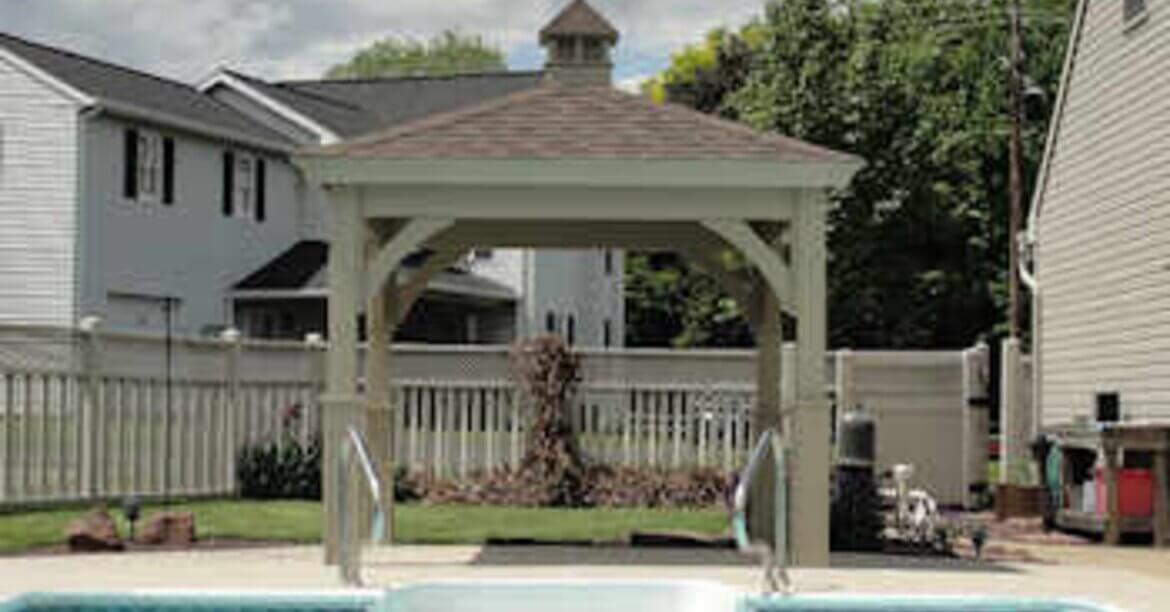
A gazebo or pavilion blocks strong overhead sunlight. The covered space can stay more comfortable during peak afternoon hours.
Large trees can also provide natural shade. However, tree coverage may change with the season or leave parts of the patio exposed. A fixed outdoor structure offers more consistent protection. Homeowners can plan seating and dining areas beneath the roof.
Choose the Right Outdoor Structure
The right structure depends on patio size and intended use. Gazebos work well for smaller seating areas or garden spaces.
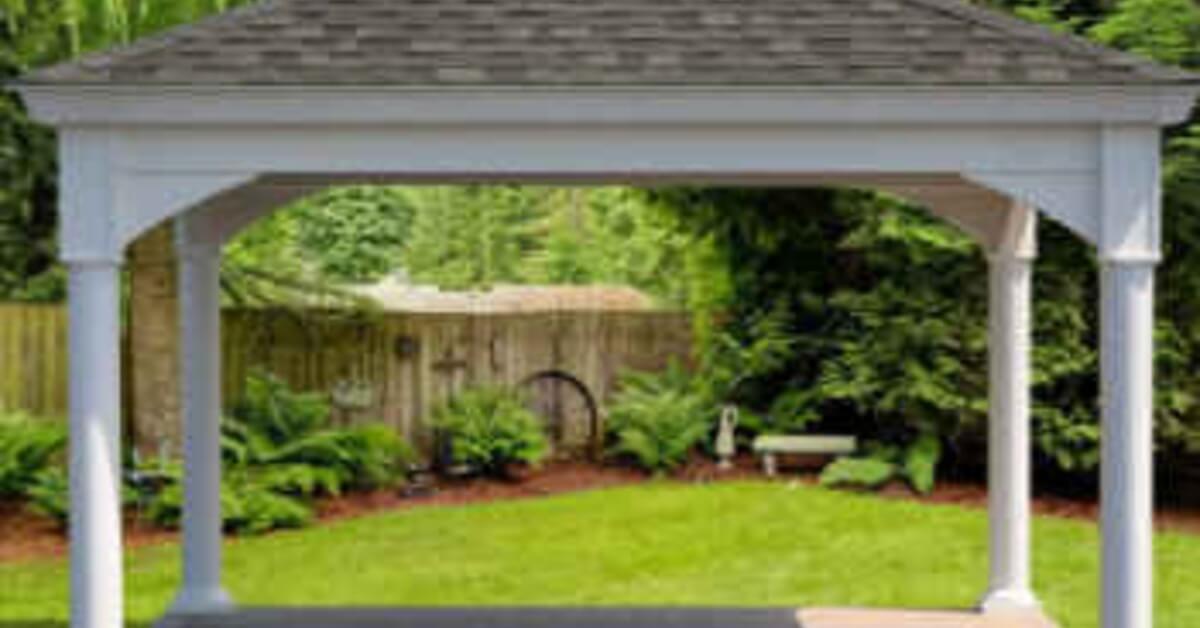
Pavilions provide open sides and broad roof coverage. This design supports airflow while creating a large shaded area.
Pergolas offer partial shade through an open roof. Optional canopies can increase coverage during the hottest months.
Vinyl pavilion kits can simplify the process of adding durable shade. These kits offer a clean appearance and low maintenance requirements.
Structure placement also affects comfort. An area that receives afternoon shade can stay cooler during the hottest part of the day.
Improve Airflow Around the Patio
Moving air helps reduce the discomfort caused by high temperatures. Open sides allow breezes to pass through a covered patio.
Large walls or dense landscaping can block natural airflow. Spacing plants and furniture apart can help air move through the space.
Outdoor ceiling fans can provide steady circulation beneath a gazebo or pavilion. Wall or ceiling-mounted fans can work in smaller covered areas. Place fans strategically to support the main seating area. Air should move across the patio without blowing directly at food or loose items.
Use Outdoor Curtains Carefully
Outdoor curtains can block low sunlight from the side. This feature can help during the morning or late afternoon.
Light fabric colors tend to absorb less heat. Outdoor rated materials also handle moisture and sun exposure better.
Curtains should have secure fasteners. Strong wind can pull loose fabric into furniture or nearby equipment. However, keep curtains and drapes open when possible to allow air to circulate. Closed panels can trap heat and reduce airflow.
Select Cooler Patio Materials
Patio surfaces absorb heat at different rates. Dark stone and concrete can become very hot under direct sun. Lighter materials often stay cooler because they absorb less solar heat. A light outdoor rug can also reduce contact with a hot surface.
Rugs should allow water to drain after rain. Trapped moisture can create stains or damage some patio materials.
Wood decking may feel cooler than dark masonry. Composite decking temperatures can vary based on color and product design.
Add Plants for Targeted Cooling
Plants can create shade around the edges of a patio. Tall shrubs and container trees can reduce direct sunlight from lower angles. Plant placement should not block airflow. Place plantings with enough space around seats and walking areas.
Climbing plants can provide shade along a pergola. A sturdy support system can keep growth controlled and organized.
Local growing conditions should guide plant selection. Heat tolerant varieties often require less maintenance during dry summer weather.
Useful plant options may include:
- Container trees for movable shade
- Vines for pergola coverage
- Tall grasses for filtered sunlight
- Shrubs for low side shade
- Potted herbs for small spaces
Plants also need proper watering. Dry containers can heat quickly and stress the root system.
Cool the Space With Water Features
Water features can make a patio feel more refreshing. A small fountain adds movement and can support a relaxing outdoor setting. Still water can increase mosquito activity, so it’s best to choose circulating water features. Regular cleaning also helps prevent algae or debris buildup.
Misting systems can lower the air temperature in dry conditions. However, these systems may feel less effective in humid weather. Misters should sit away from sensitive furniture or surfaces. Excess moisture can damage cushions or create slippery surfaces.
Choose Comfortable Furniture
Metal furniture can become hot under direct sunlight. Covered placement can reduce surface heat and improve comfort. Wood or woven furniture may feel cooler. Material quality still matters for long-term outdoor use.
Cushions can provide another layer between the body and a warm seat. Quick-drying fabrics work well in exposed outdoor areas. Lighter cushion colors usually absorb less heat. Removable covers also make seasonal cleaning easier.
Furniture layout can improve airflow. Spacing chairs apart can prevent heat from collecting in crowded areas.
Use Umbrellas for Flexible Coverage
Patio umbrellas can provide shade alongside permanent installations. Adjustable designs allow homeowners to follow the sun during the day. An umbrella can complement a larger structure. It can cover an exposed grill station or an extra seating area.
Cantilever umbrellas can cover seating without placing a pole in the center. Stable bases remain important for safe use.
Keep umbrellas closed during storms or strong winds. A protective cover can also extend fabric life.
Reduce Heat From Cooking Areas
Outdoor cooking can add heat to a patio. Grills and smokers should sit away from the main seating zone. A cooking area also needs enough ventilation. Heat and smoke should move away from guests and covered spaces.
Cooking earlier in the day can also reduce discomfort. Evening meals may feel cooler after the sun begins to set.
Surround grills with heat-resistant surfaces for comfort and safety. Local fire and building rules may also affect equipment placement.
Plan for Evening Comfort
Late afternoon and evening often provide the best summer patio conditions. Strategic lighting can make the space useful after sunset.
Low heat LED fixtures work well beneath gazebos or pavilions. These lights use less energy than many older bulb types. String lights can add soft visibility around the perimeter. Fixtures should have an outdoor rating for safe use.
Keep the Patio Clean and Uncluttered
Clutter can block airflow and make a small patio feel crowded. Clear paths help air move through seating areas. Move unused furnishings into storage. Seasonal organization also makes cleaning easier.
Leaves and debris can collect heat near walls or corners. Routine sweeping keeps the area cleaner and reduces pest hiding spots.
Make Shade the Main Priority
Fans and plants can improve comfort. However, strong overhead shade often delivers the greatest change. A gazebo or pavilion creates a dependable outdoor room. The roof protects furniture and reduces direct sun exposure.
A well-placed structure can also support lighting and fans. These features can extend patio use throughout the summer.
Create a Cooler Patio With Gazebo Depot
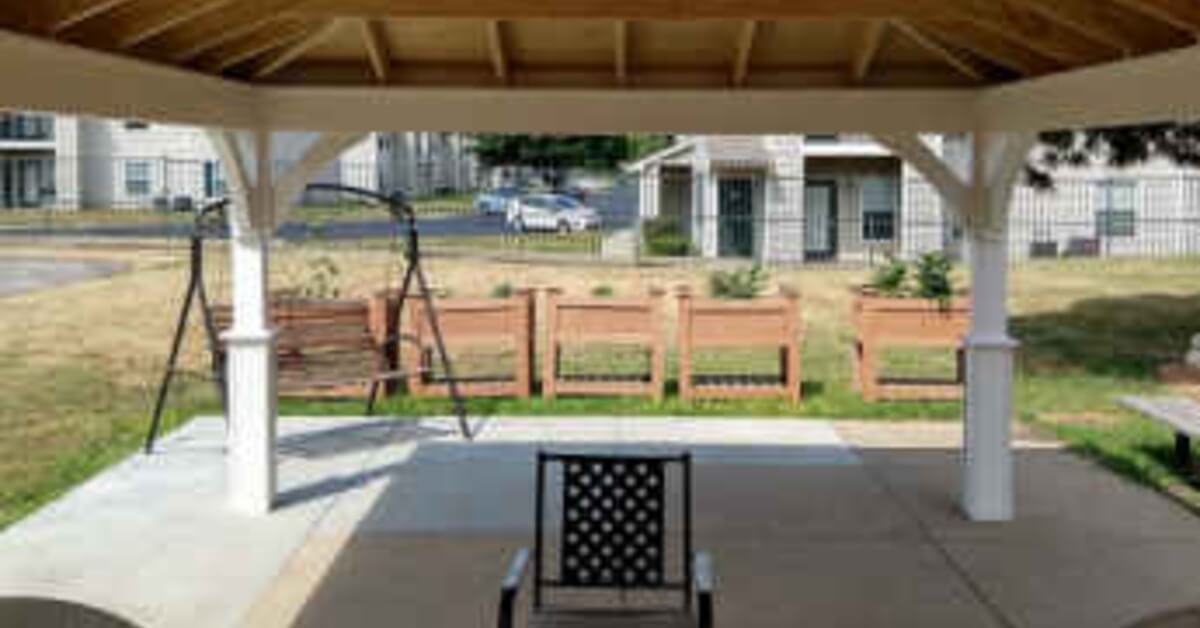
Beating the heat this summer and maintaining a comfortable patio starts with shade and airflow. Smart material choices can also reduce heat across the space.
Gazebo Depot offers gazebos and outdoor structures for residential spaces. Explore available products and vinyl pavilion kits to create a cooler area for summer gatherings.