

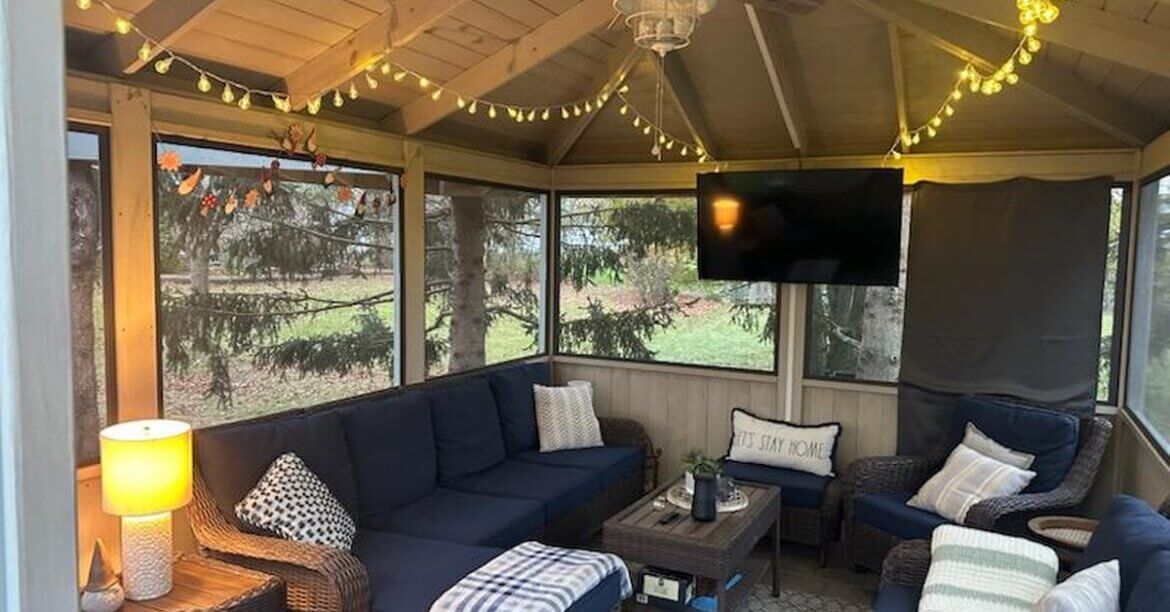
A Complete Guide to Hanging a TV in Your Gazebo
|Hanging a TV in a gazebo takes more planning than placing one indoors. Outdoor conditions affect the mount, power source, viewing angle, and long-term performance.
A safe setup starts with the right structure and the right equipment. This guide covers the key steps homeowners should review before adding a TV to a gazebo.
Start With the Right Gazebo Layout
The best TV setup begins with a smart location. Choose a wall, post, or beam that gives viewers a clear line of sight. The TV should sit at an angle to avoid glare during the times it will get used most. Morning sun and afternoon sun or nearby reflective surfaces can make a screen harder to see.
A covered location helps protect the TV from direct rain. An outdoor enclosed gazebo can provide added comfort and better protection during windy or damp weather. Ventilation still matters even with more coverage. Electronics need space around the back and sides so heat can escape.
Choose an Outdoor Rated TV
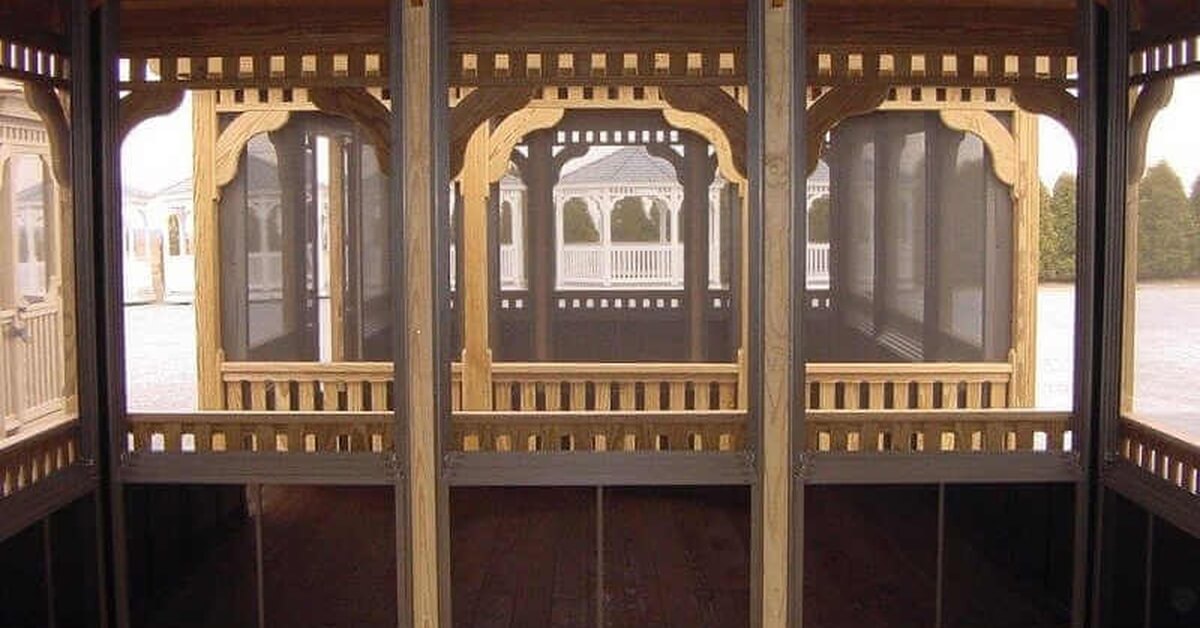
A regular indoor TV may not handle outdoor conditions well. Moisture, dust, humidity, heat, and cold can shorten its life. Outdoor rated TVs cost more than indoor models. They offer stronger housings and better protection against weather exposure.
Look for a TV that matches the gazebo environment. A fully shaded gazebo may need a different brightness level than a gazebo that gets partial sun. Also review the operating temperature range before purchase. Local weather can affect performance during hot summers or cold evenings.
Pick the Best Mount
The TV mount must fit the TV size and weight. It also needs a design that works with outdoor exposure. Outdoor rated mounts resist rust better than basic indoor mounts. They also hold up better in changing weather.
Common mount styles include:
- Fixed mounts for a clean setup
- Tilting mounts for better viewing angles
- Full motion mounts for flexible seating areas
- Ceiling mounts for limited wall space
A full motion mount can work well in larger gazebos. It allows the screen to face different seating areas. A fixed mount may suit a smaller gazebo better.
Confirm Structural Support
A TV should never hang from trim alone—it needs secure attachment to a solid post, beam, or framed wall.
Gazebo materials and designs vary. The safest mounting point depends on the structure and the TV weight. Check the mounting instructions before installation. The hardware must match the surface and support requirements.
A heavy TV may need added blocking or reinforcement. A licensed contractor or electrician can help confirm the safest approach.
Plan Power Before Mounting
Outdoor power requires careful planning. Never use extension cords as a permanent power solution. A properly installed outdoor outlet gives the setup a cleaner and safer result. The outlet should include weather protection and meet local electrical codes.
Hire a qualified electrician for new wiring. This helps reduce safety risks and keeps the setup compliant.
Protect Cords and Connections
Cords need protection from moisture and damage. Loose cables can also create trip hazards. Use outdoor-rated cords and covers where needed. Keep connections off the ground and away from areas where water may collect.
Cable management can improve safety and appearance. Do not pinch cords behind the mount. Tight bends can damage cables and affect performance.
Keep Weather in Mind
Even outdoor rated TVs need care. Long exposure to rain, snow, dust, and pollen can create problems over time. Choose a protective cover that fits snugly and allows proper drying.
Remove leaves and debris from the surrounding area. Built up debris can hold moisture near equipment. Seasonal maintenance helps protect your TV investment. Inspect the mount and connections throughout the year.
Add Storage for Remotes and Accessories
A gazebo TV setup often needs more than a screen. Remotes and speakers also need a place to stay.
A small weather resistant cabinet can keep items organized. It can also help protect accessories when the gazebo sits unused. Avoid storing sensitive electronics in damp areas. Bring small devices indoors when extreme weather is expected.
Consider Internet Access
Streaming requires a strong Wi-Fi signal. A gazebo at the edge of the yard may not receive enough signal from the house.
Test the connection before mounting the TV. Stream a video from the planned location and watch for buffering. A Wi-Fi extender or outdoor access point may help, though hardwired connections may offer the most stable performance. A network professional can recommend the best option for larger properties.
Review Local Codes and Safety Rules
Outdoor electrical work must follow local code. Rules can vary by city, county, and state.
A professional installer can help review electrical needs. This step matters when adding outlets, lighting, speakers, or network wiring.
Mounting height and cord placement also affect safety. Keep walkways clear and protect children from loose hardware. A safe installation should feel secure during daily use. It should also handle normal outdoor conditions without shifting.
Prepare the Gazebo Before Installation
Clean the mounting area before work begins. Dirt and debris can make measuring and marking harder.
Check the structure for damage before installing the mount. Cracked boards, loose fasteners, or soft spots need attention first.
Gather the right tools and hardware before starting. This can reduce mistakes and help the job move smoothly. Review every instruction that come with the TV and mount. Manufacturer guidelines give important weight and spacing details.
Make the Setup Comfortable
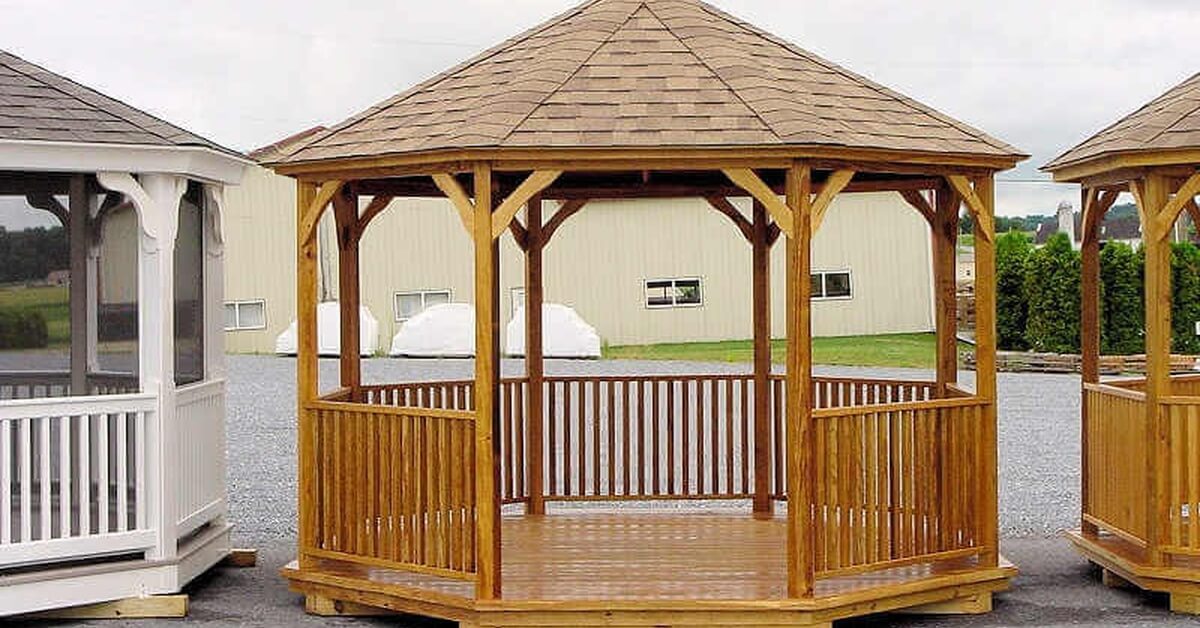
A gazebo TV should support the way the space gets used. Seating and lighting affect the final experience. Soft lighting can make evening viewing easier. Avoid placing bright lights where they reflect on the screen.
Fans may help with comfort during warm weather. They should not blow directly into exposed connections or loose cords.
A finished setup should feel practical and inviting. Good planning helps the gazebo support both quiet nights and larger gatherings.
Maintain the TV Setup Over Time
Outdoor entertainment areas need regular checks. Weather and daily use can loosen hardware or damage covers.
Inspect the mount after strong storms. Look for movement, rust, or loose fasteners. Wipe the screen with approved cleaning products. Harsh chemicals can damage the surface or protective coating.
Enjoy More From the Gazebo
Hanging an outdoor TV in your gazebo can make the space more useful throughout the year. It can support sports nights, family movies, outdoor meals, and casual weekends.
The best setups combine comfort, safety, and weather protection. Each choice should support the way the space will get used.
Gazebo Depot offers quality outdoor enclosed gazebos that are perfect for entertaining and homeowners who want more from their outdoor spaces. Explore Gazebo Depot products to find a structure that supports relaxation, entertainment, and everyday backyard use.