
9 Things To Consider Before Installing a Gazebo
|From choosing the right materials to navigating local regulations, each decision impacts your gazebo’s functionality, durability, and overall satisfaction with your investment. Here are some of the most important aspects about your property and gazebo choice to consider before installing this new structure.
Benefits of Installing a Gazebo
Gazebos have become increasingly popular additions to outdoor living spaces, transforming ordinary backyards into elegant retreats. They are excellent focal points to add to any yard or property looking for more visual interest and curb appeal.
Adding a gazebo to your property offers numerous benefits beyond aesthetic appeal. You’ll gain valuable outdoor living space that can extend your home’s functionality while potentially increasing your property value. A well-placed gazebo provides a comfortable gathering spot for family and friends throughout the seasons.
What To Consider When Installing a Gazebo
Installing a gazebo is an exciting way to enhance your outdoor space, but it’s essential to approach the project with a clear plan. By understanding the key considerations ahead of time, you can ensure your gazebo complements your property and meets your long-term needs. The following sections will guide you through the most important factors to keep in mind during the installation process.
Purpose and Functionality
Your gazebo’s intended use significantly influences the size, design, and features you’ll need. Consider whether you plan to use the space for solo lounging, large-scale gatherings of family and friends, or a mix of both.
Entertainment-focused gazebos require more floor space and may benefit from features like built-in seating, electrical outlets for lighting or sound systems, and easy access to your home’s kitchen. Relaxation-oriented spaces might prioritize comfortable seating arrangements, privacy screening, and peaceful garden views that promote tranquility.
Location and Space
Evaluating your yard’s available space prevents costly mistakes and ensures optimal gazebo placement. Measure the intended area carefully, accounting for the gazebo’s footprint plus additional space for walking around the structure, adding paths later, and accessing the space.
Level ground provides the ideal foundation for gazebo installation, though slight slopes can be addressed with proper site preparation. Check for overhead obstacles like tree branches, power lines, or eaves that might interfere with construction or future maintenance. Consider proximity to your home for convenience and utility connections if you plan to add lighting or ceiling fans.
Materials and Durability
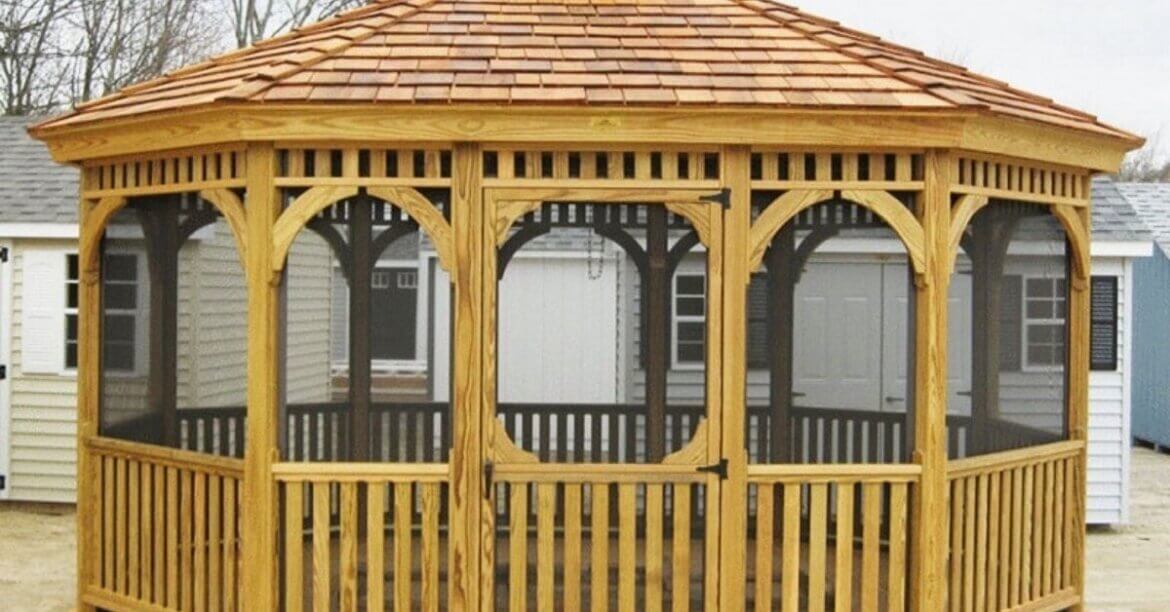
Outdoor wooden gazebos offer natural beauty and traditional appeal, with cedar and pine providing excellent weather resistance. These materials require regular staining or sealing to maintain their appearance and structural integrity, but they reward proper care with decades of service.
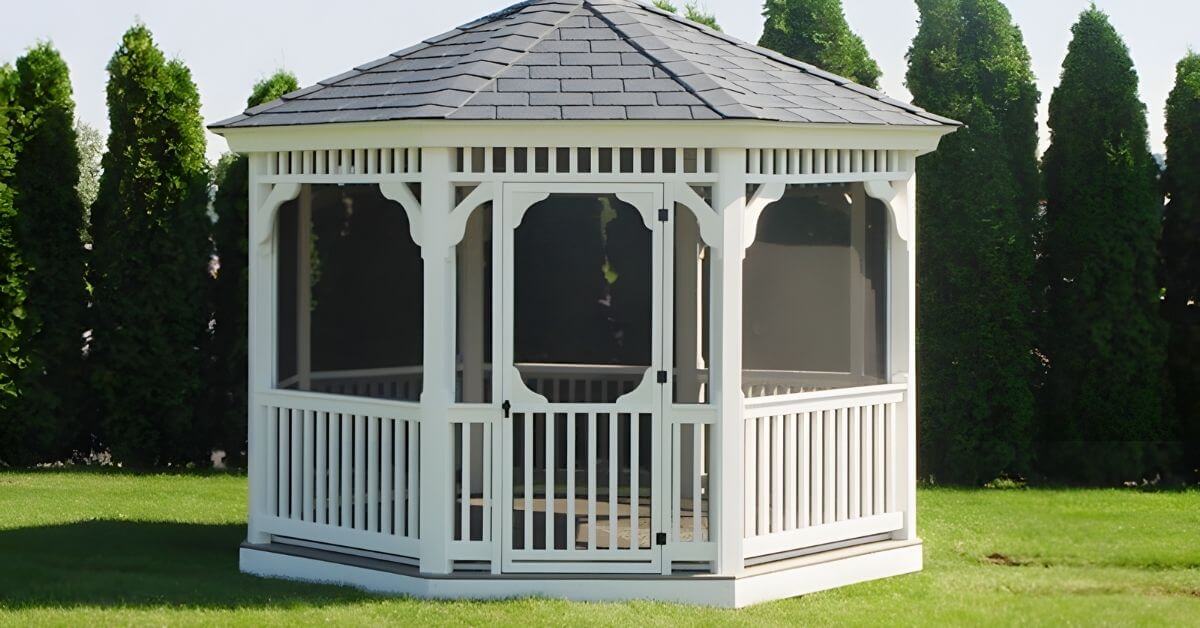
Vinyl options offer the lowest maintenance requirements while providing consistent appearance over time, though they may have fewer design flexibility compared to wood or metal alternatives.
Style and Design
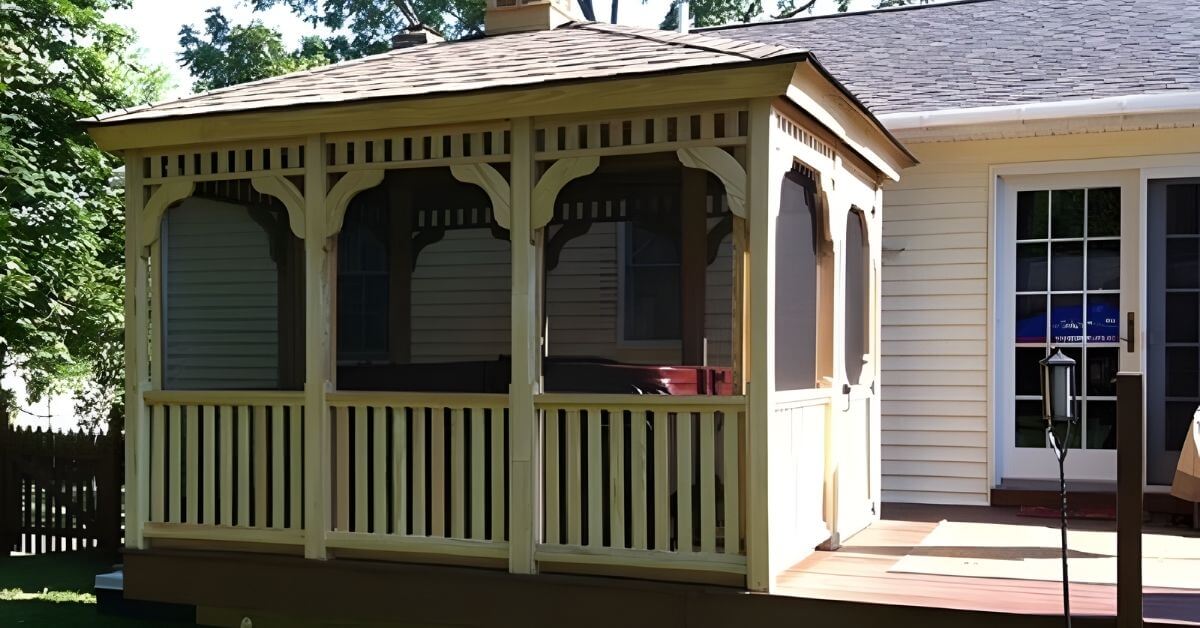
Your gazebo’s style should complement your home’s architectural features to create a cohesive outdoor environment. Traditional homes pair well with classic gazebo designs featuring decorative railings and ornate roof details, while contemporary properties benefit from cleaner lines and minimalist features.
Roofing options range from standard asphalt shingles that match your home to cedar shake for rustic appeal or metal roofing for modern aesthetics. Consider features like decorative railings, built-in benches, or cupolas that enhance both function and visual appeal.
Budget and Cost
Gazebo costs vary significantly based on size, materials, and installation complexity. Basic DIY kits start at several thousand dollars, while custom-built structures with premium materials and professional installation can cost substantially more.
Factor in additional expenses like site preparation, concrete footings, electrical work for lighting, and ongoing maintenance costs when establishing your budget. Professional installation typically costs more upfront but ensures proper assembly and may include warranties that protect your investment. DIY installation can reduce initial costs but requires significant time, tools, and construction skills.
Regulations and Permits
Local zoning laws and homeowners association regulations often govern gazebo installation, including setback requirements from property lines and maximum structure heights. Contact your local building department early in the planning process to understand applicable regulations.
Many municipalities require building permits for gazebos, particularly larger structures or those with permanent foundations. HOA approval may also be necessary and can involve architectural review processes that take several weeks. Obtaining proper permits protects you from potential fines and ensures your gazebo meets safety standards.
Installation Process
DIY installation begins with site preparation, including leveling the ground and potentially pouring concrete footings for permanent structures. Kit assembly will require you to follow manufacturer instructions, and most require basic tools and construction knowledge.
Professional installation eliminates guesswork and ensures proper assembly according to local building codes. Experienced installers can address site challenges like uneven terrain or underground utilities that might complicate DIY projects. Professional installation often includes site cleanup and may offer warranties on both materials and workmanship.
Maintenance and Care
Regular maintenance extends your gazebo’s lifespan and preserves its appearance. Wood structures benefit from annual inspections for loose fasteners, damaged boards, or areas needing fresh stain or sealant application.
Metal-roofed gazebos require periodic cleaning and touch-up painting to prevent rust, particularly in coastal areas with salt air exposure. All gazebos benefit from seasonal cleaning to remove debris, mold, or mildew that can accumulate in humid conditions. Winter preparation might include removing snow loads or storing removable components in harsh climates.
Where To Buy Your Gazebo
Where you source your gazebo is just as important as the style and material you choose. High-quality manufacturers provide detailed assembly instructions, responsive customer service, and durable materials that withstand years of outdoor exposure.
Look for a company with a strong reputation for craftsmanship and customer service. At Gazebo Depot, we specialize in high-quality wooden outdoor gazebo kits that are designed for easy assembly and lasting beauty. Our expertly crafted kits provide everything you need to create the perfect outdoor retreat in your own backyard.
Plan the Right Gazebo for Your Perfect Outdoor Retreat
Successful gazebo installation requires thoughtful consideration of these factors, site conditions, and local requirements. Take time to evaluate each factor thoroughly rather than rushing into a decision that might lead to costly modifications later.
Start your gazebo journey by defining your intended use, measuring your space, and researching local regulations. This preparation ensures your new outdoor structure provides years of enjoyment while enhancing your property’s value and appeal.