

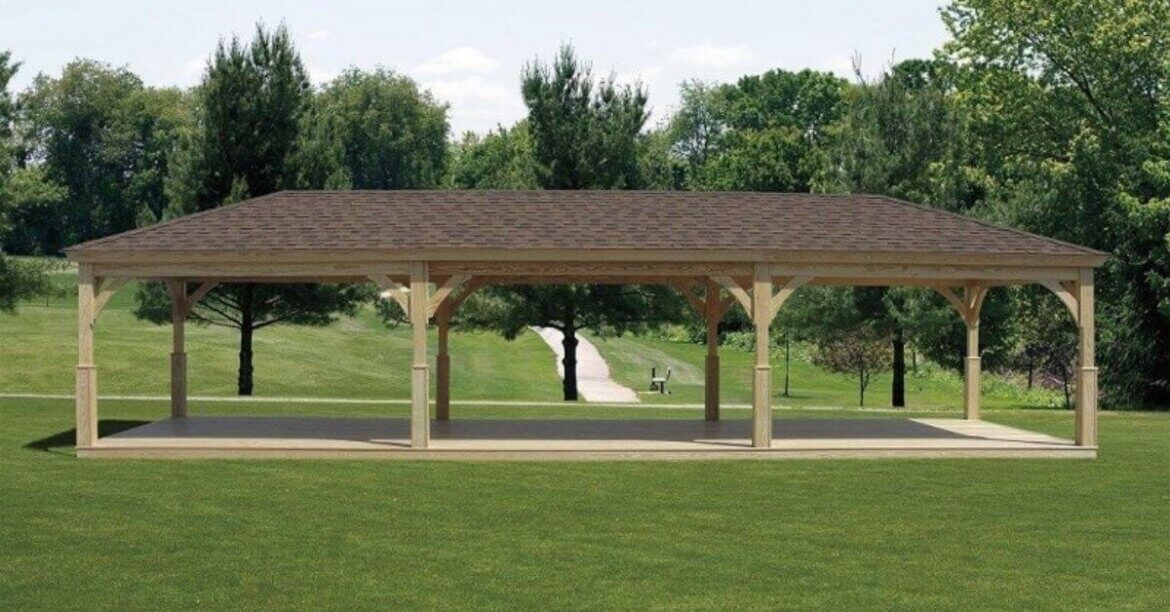
How To Maintain Your Outdoor Wooden Structures
|Wood faces constant exposure to sun, rain, temperature shifts, and seasonal debris. Over time, those conditions can wear down finishes and weaken vulnerable areas. Consistent maintenance helps homeowners protect both appearance and structural performance.
Many homeowners assume wood care takes too much time or requires complex products. In most cases, a simple routine makes the biggest difference. Follow this guide to maintain your outdoor wooden structures to preserve their appearance and stability for years to come.
Start With Regular Visual Inspections
Routine inspections give homeowners the best chance to catch problems early. A careful walkaround every month can reveal changes that might otherwise go unnoticed. Minor damage is much easier and less expensive to correct when it is found quickly. Pay close attention to the following areas during your inspection:
- Posts
- Railings
- Trim
- Flooring
- Roof edges
Look for cracks that seem to grow over time and watch for areas that appear rough or uneven. Soft spots, discoloration, and loose hardware also deserve prompt attention.
Moisture often causes the most serious wood issues. Water that collects on horizontal surfaces or near the bottoms of posts can lead to swelling and early decay. Even a small drainage problem can create lasting damage if you don’t treat it.
Keep Dirt and Moisture From Building Up
Dirt and organic debris can trap moisture against the finish, which increases the risk of staining and mildew. Regular cleaning helps preserve the surface and reduces unnecessary wear.
Sweep floors, corners, and steps often to prevent buildup. Pay extra attention to post bases and roof valleys where debris tends to gather. Areas that stay shaded or sheltered can hold moisture longer than expected.
Wash the structure with a mild cleaner made for exterior wood surfaces. Use a soft brush or cloth that removes grime without scratching the finish. A gentle cleaning routine protects the material while keeping the structure looking well cared for.
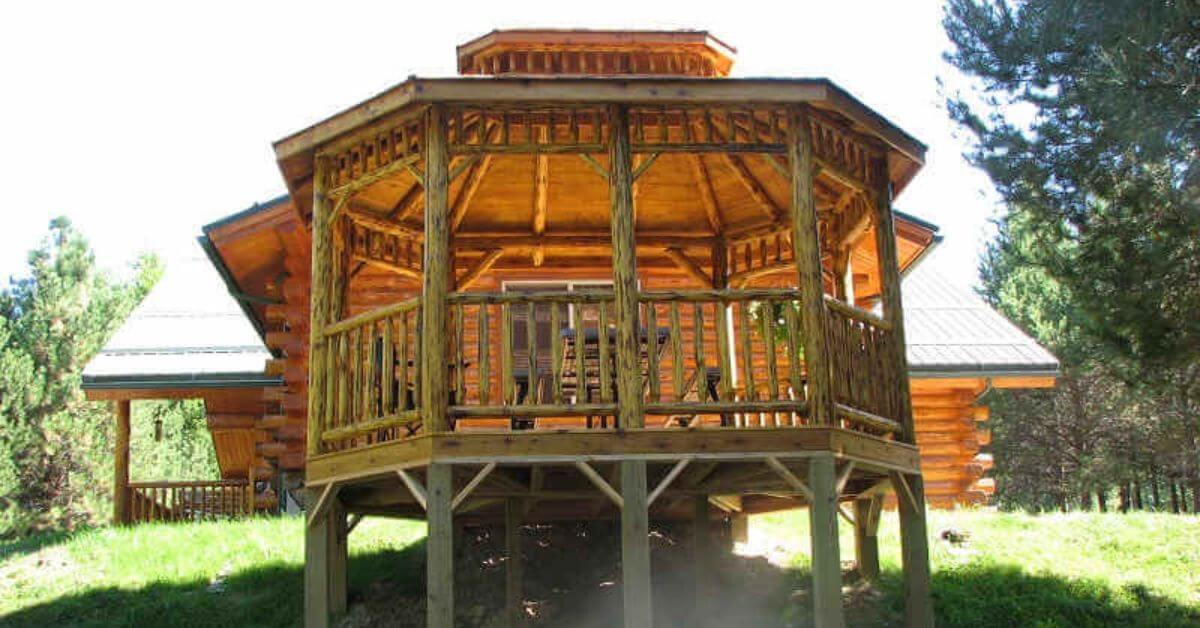
Watch for Mold, Mildew, and Rot
Mold and mildew often appear before major wood damage develops. These issues usually show up in damp or shaded areas where airflow remains limited. Green film or a musty smell can all point to excess moisture.
Clean these spots as soon as they appear to keep the problem from spreading. Waiting too long can make removal harder and may allow moisture to work deeper into joints and seams. Quick action supports both appearance and long-term durability.
Rot creates a more serious concern because it affects strength as well as surface condition. Press gently on questionable boards or trim to check for unusual softness. Wood that feels weak, crumbly, or spongy may be experiencing rot, which requires immediate repair or material replacement.
Protect the Wood With the Right Finish
A protective finish helps wood resist water and sun damage. It also slows fading, drying, and surface cracking that can develop over time. Without that protection, the structure becomes more vulnerable to wear in every season.
Check whether the structure already has stain, paint, or clear sealer in place. Each finish type has its own care schedule and preparation requirements.
Many outdoor wooden structures need resealing or restaining every few years. The exact timing depends on climate, sun exposure, and the condition of the current finish. If the wood looks dull or uneven, it may be time for maintenance.
Surface preparation matters just as much as the product itself. Always clean the wood thoroughly and allow it to dry before applying a new finish. This step helps the coating bond properly and supports a more even result.
Inspect Hardware and Structural Connections
Wood maintenance includes more than surface care. Hardware and connection points also affect how safely the structure performs over time. Seasonal expansion and contraction can gradually loosen fasteners even when the wood itself still looks sound.
Inspect screws, brackets, bolts, and anchors on a regular basis. Tighten anything that has shifted and replace parts that show rust or damage. Failing hardware can weaken the frame and stain nearby wood if left in place too long.
High-use areas deserve the closest attention. Stairs, railings, and main entry points handle repeated movement and weight throughout the year. These sections often show wear before less-used areas of the structure.
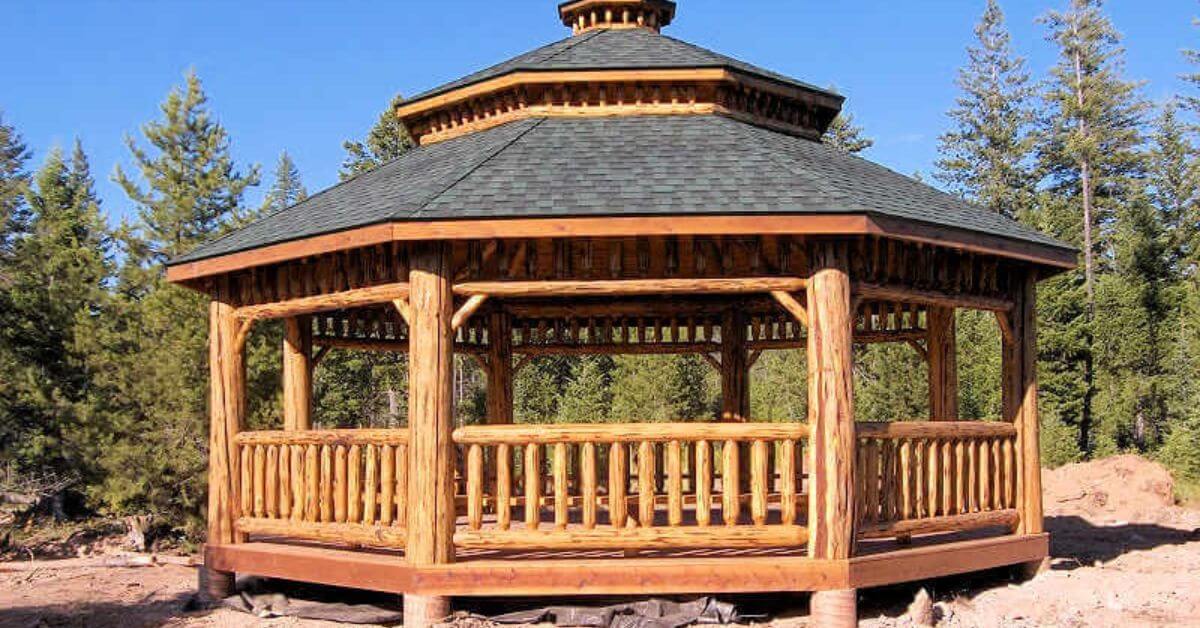
Adjust Maintenance With the Seasons
Seasonal changes place different demands on outdoor wood. Maintenance plans work best when they reflect those shifts instead of relying on one cleanup each year. Weather patterns often determine which issues need the most attention.
- Spring is a good time for a full inspection and thorough cleaning. Winter can leave behind dirt, moisture exposure, and minor movement in roof materials or joints. Early spring maintenance helps prepare the structure for heavier seasonal use.
- Summer often brings stronger sun and higher temperatures. These conditions can dry out exposed wood and wear down protective finishes faster. Homeowners should watch for fading and changes in texture during hot months.
- Fall usually requires extra cleanup because leaves and organic debris collect quickly. Winter then brings moisture, freezing temperatures, and repeated expansion cycles in many regions. In harsher climates, homeowners may need to inspect structures more frequently throughout the year.
Prevent Wear From Everyday Use
Daily use can affect wood more than many homeowners expect. Furniture movement, seasonal decorations, and poorly placed heat sources can all wear down surfaces over time. Small habits often make a big difference in preserving the structure.
Take care when moving tables, chairs, or benches across wood floors. Using protective pads helps reduce that wear without changing how the space functions.
Heat sources also need thoughtful placement. Grills, fire features, and other equipment should stay far enough away to avoid drying or damaging nearby wood. Excess heat can shorten finish life and create uneven surface wear. Proper drainage around the base also matters, since standing water near posts can speed up deterioration.
Address Repairs Before They Grow
Loose railings, soft flooring, shifting posts, and active roof leaks all need prompt action. These problems affect both usability and structural integrity. Delaying repairs often allows damage to spread into connected components.
Growing cracks and repeated staining also deserve closer investigation. A surface issue that returns soon after cleaning may point to hidden moisture problems. Professional guidance can help when the source of the issue is unclear. Accurate repair decisions protect the life of the structure and reduce the risk of repeated problems.
Long-Term Care Supports Long-Term Value
Wooden structures perform well when they receive steady care and maintenance. Regular inspections, routine cleaning, and timely finish maintenance all help extend service life. These steps also keep the structure looking finished and ready for everyday use.
Gazebo Depot offers high-quality outdoor structures built for lasting performance, including wood pavilions and gazebos designed for long-term outdoor living. Explore Gazebo Depot to find the right structure for the space and get expert guidance on products built with durability in mind.