

Wall-Mounted vs. Freestanding Pergolas: Which To Choose
|Choosing whether to attach a pergola to an existing building or place a one as a standalone structure depends on site conditions, usage goals, budget priorities, and long-term maintenance expectations.
Homeowners often prioritize comfort, convenience, and curb appeal. Property managers often prioritize predictable installation timelines, clear maintenance plans, and structural performance across multiple units or common areas. A clear comparison of wall-mounted and freestanding pergolas can prevent design revisions and help you make the right choice the first time.
Define The Two Pergola Types
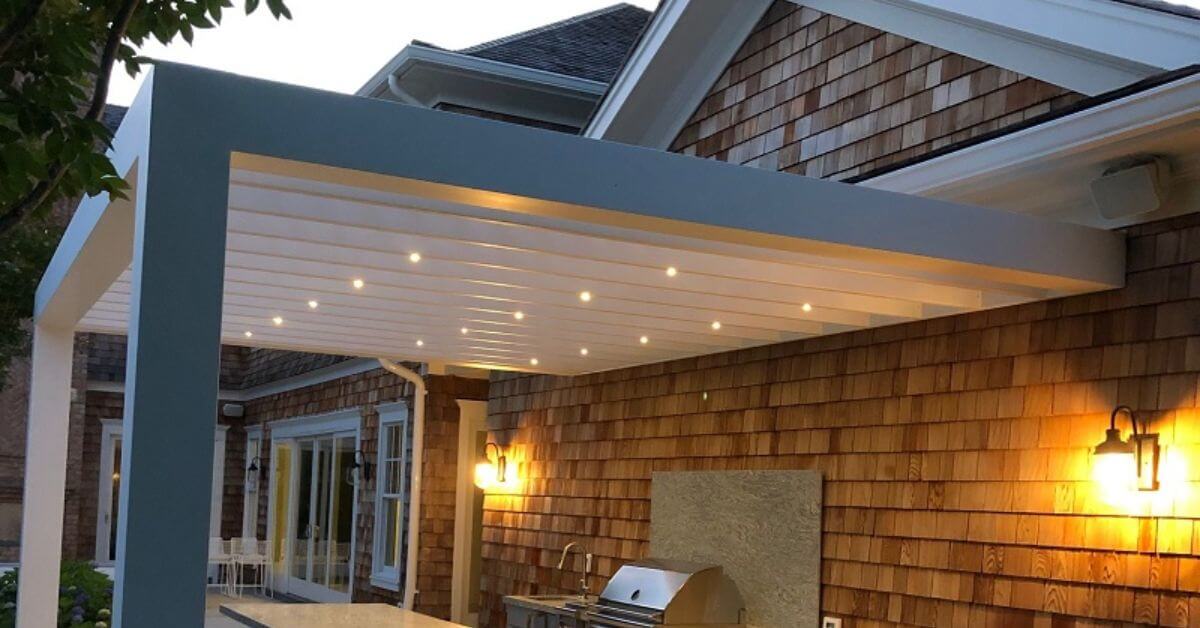
A wall-mounted pergola connects to a building, usually through a ledger board fastened to framing members. The structure extends outward from the wall and uses posts at the outer edge for support. This approach creates a transitional outdoor zone that aligns closely with a patio door, kitchen entry, or clubhouse access point.
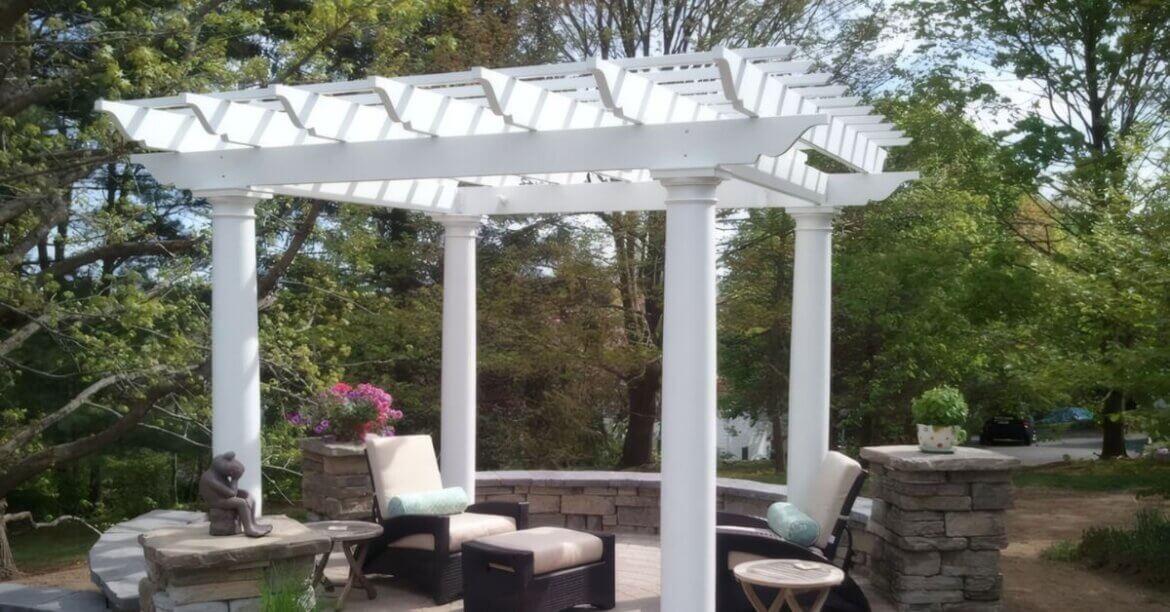
A freestanding pergola stands on its own posts and footings with no structural connection to a building. The layout can sit near a pool deck, on a lawn with a paver base, or in an open courtyard between buildings. This option supports flexible placement, promotes privacy, and makes site changes easier.
Material And Performance Expectations
Material choice shapes longevity, maintenance, and appearance. Many pergolas on the market rely on wood, which requires frequent sealing and invites ongoing upkeep. Gazebo Depot focuses on fiberglass pergolas, which deliver stability, clean lines, and lower maintenance demands across a wide range of climates.
Fiberglass holds shape well and supports crisp architectural profiles. It also fits property management needs, since maintenance teams can avoid recurring repaint cycles and wood-rot repairs. A fiberglass pergola can also integrate with other outdoor structures, including pavilions and Amish gazebos, to create a cohesive outdoor plan.
Wall-Mounted Pergolas: Best-Fit Scenarios
When Proximity Matters Most
A wall-mounted pergola works well when the outdoor space needs a direct connection to indoor living areas. Many homeowners want coverage over a grilling zone or dining patio that sits directly outside the home. Many commercial sites want a covered transition outside a community room or leasing office. It also tends to align naturally with existing patios and hardscapes, which can reduce site work in some layouts.
Structural Connection Considerations
A wall-mounted pergola depends on a strong attachment point. Contractors must locate framing members, confirm wall conditions, and follow attachment requirements that match local codes.
Some buildings complicate attachment. Brick veneer, older framing, or irregular wall lines can increase labor or require alternate engineering solutions. A site evaluation often clarifies feasibility before design decisions lock in.
Space Efficiency And Layout Control
A wall-mounted pergola can preserve yard space because the building anchors one side of the structure. This design can also support predictable furniture placement because the wall defines circulation and zone boundaries. Smaller backyards and tight commercial courtyards often benefit from that controlled footprint.
Freestanding Pergolas: Best-Fit Scenarios
Maximum Flexibility For Placement
A freestanding pergola supports site planning freedom. The structure can sit where shade, views, and circulation patterns make the most sense, rather than where a building wall allows attachment. That advantage matters for pool decks, garden paths, outdoor seating clusters, and multi-tenant properties with shared greenspace.
Property managers often prefer freestanding layouts in common areas because they can separate noise, traffic, and usage zones. A standalone pergola can create a defined amenity area without altering the building envelope.
Foundation And Footing Requirements
Freestanding pergolas rely on posts and footings. Contractors must plan for frost depth, soil conditions, and drainage patterns, then size footings to match loads and local code expectations. This work can increase site labor compared to some wall-mounted builds, especially on sloped lots or areas with poor soil.
A clear plan for base materials helps long-term performance. Many sites pair a freestanding pergola with concrete pads, pavers, or compacted gravel bases that support furniture and reduce mud tracking.
Better Fit For Complex Buildings
Some structures create challenges for wall-mounted designs. Buildings with minimal overhang clearance, limited framing access, or strict facade requirements can complicate attachment. A freestanding pergola avoids those constraints and can still coordinate visually with building style through column profiles, beam sizing, and finish choices.
Permitting And Code Planning
Many jurisdictions treat pergolas as accessory structures, but rules vary by location. Building departments may require permits based on size, height, proximity to property lines, or structural attachment. A wall-mounted pergola can trigger additional review because it connects to a primary structure and can raise concerns about water management and load transfer.
A site plan that shows dimensions, post locations, and distances from property lines can speed approvals. A local contractor or permit consultant can confirm requirements early and avoid schedule disruptions.
Shade Coverage And Comfort Goals
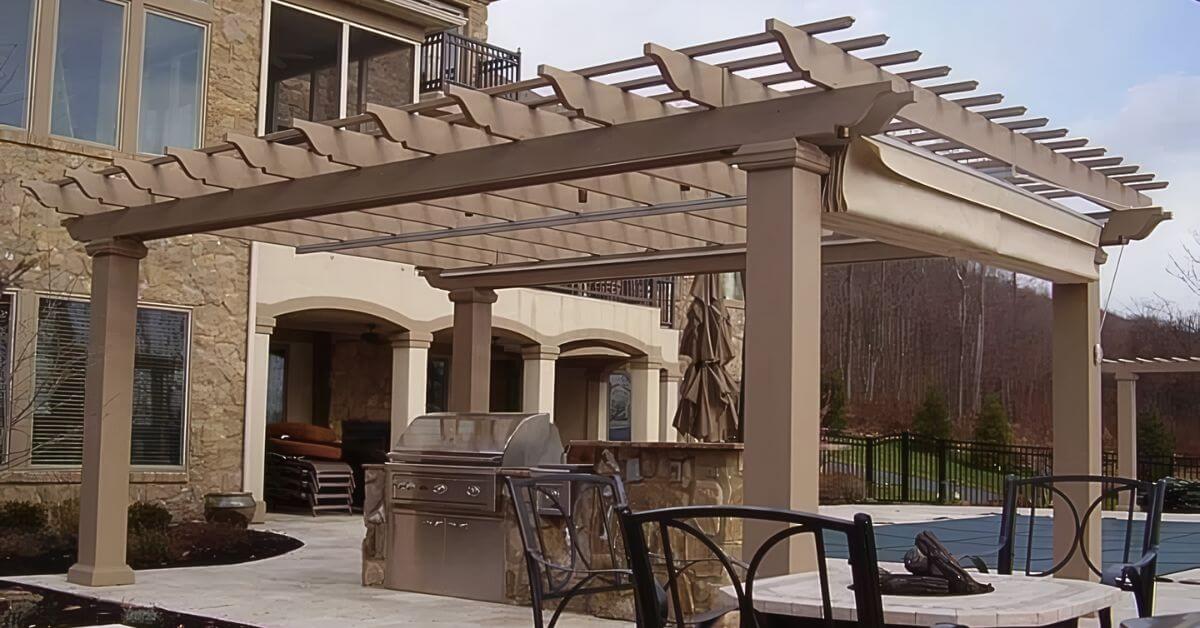
Pergolas provide partial shade through rafters and purlins, and optional shade elements can increase coverage. The placement of the structure impacts comfort because sun angles change across the day and across seasons. Wall-mounted pergolas can create dependable shade near the building during peak afternoon hours on many sites, depending on orientation.
Freestanding pergolas allow designers to chase the best shade location. Comfort planning should consider furniture use, traffic paths, and glare on adjacent windows.
Maintenance And Long-Term Ownership
Wood pergolas often demand ongoing sealing, staining, and fastener checks. Fiberglass pergolas can reduce those tasks and keep lines straight and finishes consistent over time.
Wall-mounted pergolas also require periodic inspection of flashing and attachment points. Freestanding pergolas require periodic checks of post bases and surrounding grade to ensure proper drainage. A simple inspection routine can protect appearance and performance across decades.
Installation Timelines And Project Complexity
A wall-mounted pergola can reduce post count and concentrate structural work along one edge, but the attachment work demands precision. Contractors must confirm wall conditions, measure for level lines, and detail flashing correctly. That effort can extend timelines when the building condition creates surprises.
Freestanding pergolas still require accurate footing layout and careful squaring, especially on larger spans. A clear plan set, measured site prep, and a stable base keep the installation moving.
Decision Guide For Homeowners And Property Managers
Choosing between a wall-mounted or freestanding pergola requires comparing all the aspects above. A wall-mounted pergola often fits best when the goal centers on expanding a patio directly off a living space or creating a protected transition from indoors to outdoors. It also fits well when existing hardscape defines the ideal footprint.
A freestanding pergola often fits best when the goal requires flexible placement, better control over sun and views, or separation from building walls. It also fits best when building attachment adds complexity or risk. Many commercial sites choose freestanding designs for amenity areas because the placement can support circulation and future upgrades.
Build The Right Outdoor Structure With Gazebo Depot
Gazebo Depot manufactures pergolas, gazebos, and pavilions designed for long-term performance, with experienced support from selection through installation planning. A wall-mounted pergola can create a seamless extension of a building’s outdoor space, while a freestanding pergola can anchor an amenity zone with flexible placement and clean architecture. Explore Gazebo Depot pergola options and request guidance on sizing, layout, and site planning to match the project’s goals and timeline.