
6 Reasons To Add Pavilions to Your Community Park
|Pavilions solve a common issue: limited infrastructure for events and activities. Without shelter, park use often depends on weather, reducing engagement. By providing functional gathering spaces, pavilions make parks more accessible and versatile for a wide range of users and activities. Here is a closer look at the benefits of adding pavilions to your local park and why communities should consider these installations.
1. Protection from the Elements
Unpredictable weather can quickly derail outdoor plans, but pavilions offer reliable shelter from sun, rain, and wind. During summer months, the shade provided by a pavilion creates comfortable gathering spots where families can enjoy picnics without worrying about heat exhaustion.
Rain doesn’t have to mean canceled plans when your park includes covered spaces. This weather protection extends the usable hours of your park and increases visitor satisfaction.
2. Designated Spaces for Events and Gatherings
Parks without defined gathering areas often see scattered, disorganized use that limits their potential for community building. Pavilions create natural focal points where people know they can gather, making it easier to coordinate group activities and spontaneous meetups. These designated spaces help communities establish traditions around specific locations, fostering a sense of ownership and belonging among residents.
Birthday parties, family reunions, and neighborhood barbecues all benefit from having a central location with built-in amenities. Rather than scrambling to set up temporary structures or coordinate around unpredictable conditions, community members can reserve pavilion space and plan confidently. This encourages more frequent park use and strengthens the social fabric of your neighborhood.
3. Enhanced Park Aesthetics and Functionality
A well-designed pavilion becomes an architectural anchor that draws the eye and defines the character of your park. These structures can complement existing landscaping, add visual interest, and establish clear zones within larger park spaces. The right pavilion design transforms an ordinary park into a destination that residents feel proud to show visitors.
4. Increased Park Usage and Community Engagement
Parks with pavilions see measurably higher attendance rates because they accommodate more types of activities and users. Seniors appreciate having shaded seating areas for card games and social clubs, while parents value protected spaces where children can play regardless of weather conditions.
Regular park users develop routines around pavilion spaces, creating organic opportunities for neighbor connections and friendship formation. Morning walking groups might gather at a pavilion before their route, while evening fitness classes could use the covered space for yoga sessions. These recurring activities build community bonds and create informal support networks among residents.
5. Multi-Purpose and Versatile Installation
Modern pavilions accommodate everything from farmers markets to outdoor movie nights, making them valuable community investments. Their open design allows flexible furniture arrangements and equipment setups that can change based on current needs.
Educational programs also benefit from pavilion spaces, where nature centers can conduct workshops and schools can hold outdoor classes. The covered area provides a comfortable learning environment that maintains connection to the natural surroundings. This versatility ensures your pavilion investment serves multiple community functions rather than sitting unused between occasional events.
6. Support for Future Community Events
Planning large community events becomes significantly easier when your park includes dedicated pavilion infrastructure. Festival organizers can use pavilions as vendor areas, information booths, or stage locations without needing to rent expensive temporary structures. This built-in infrastructure reduces event costs and removes logistical barriers that might otherwise prevent community celebrations.
Holiday gatherings and seasonal activities find natural homes in pavilion spaces that can adapt to different occasions. From summer concerts to fall harvest festivals and winter holiday markets, pavilions provide the foundation for year-round community programming. This event-ready infrastructure encourages civic organizations and volunteer groups to activate park spaces with diverse programming.
Types of Pavilions to Consider
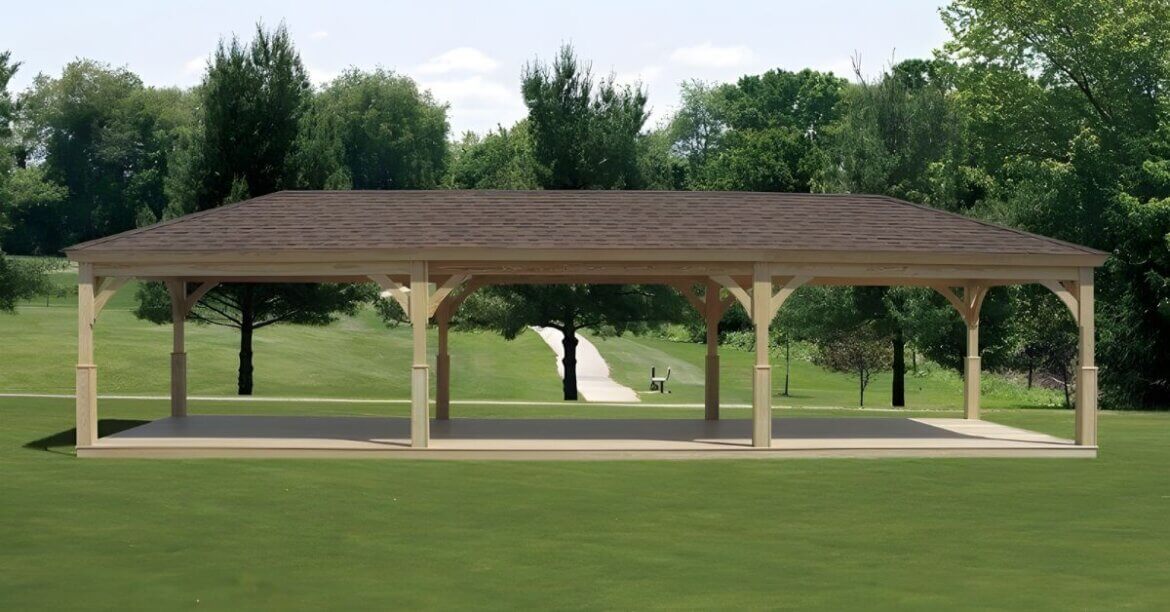
Open-air pavilions with simple roof structures are ideal for casual park use, offering maximum airflow and openness for spontaneous gatherings. Featuring post-and-beam construction with minimal walls, they provide protection from sun and rain while maintaining a connection to the surrounding park. Their simple design often means lower construction costs and easier maintenance.
Multi-purpose pavilions with amenities like built-in picnic tables, grills, and storage maximize functionality. These designs support drop-in visitors and organized events, reducing setup time and ensuring basic necessities are always available.
Considerations for Pavilion Placement and Design
Accessibility requirements must guide pavilion location and design to ensure all community members can use these spaces comfortably. Paved pathways connecting pavilions to parking areas and other park features accommodate wheelchairs, strollers, and mobility aids. Ramp access, appropriate clearances, and accessible picnic tables ensure compliance with ADA standards while demonstrating your community’s commitment to inclusion.
Existing park features and landscaping should inform pavilion placement to create cohesive spaces that feel intentionally designed. Positioning pavilions near playgrounds allows parents to supervise children while enjoying shade, while placement near walking trails serves active park users. Thoughtful integration with mature trees and natural features preserves the park’s character while adding new functionality.
Local zoning regulations and building codes determine what types of pavilions you can construct and where they can be located within park boundaries. Early consultation with planning departments prevents costly design changes and ensures your project moves smoothly. Understanding setback requirements, height restrictions, and permit processes before finalizing plans saves time and reduces frustration during construction.
Find Park Pavilions at Gazebo Depot
Quality pavilion structures require careful selection of materials and designs that balance durability with aesthetic appeal. Gazebo Depot offers a comprehensive range of park pavilions engineered for longevity and built to withstand heavy community use. Our team understands the unique requirements of public spaces and can guide you toward options that fit your budget, timeline, and vision for your community park.
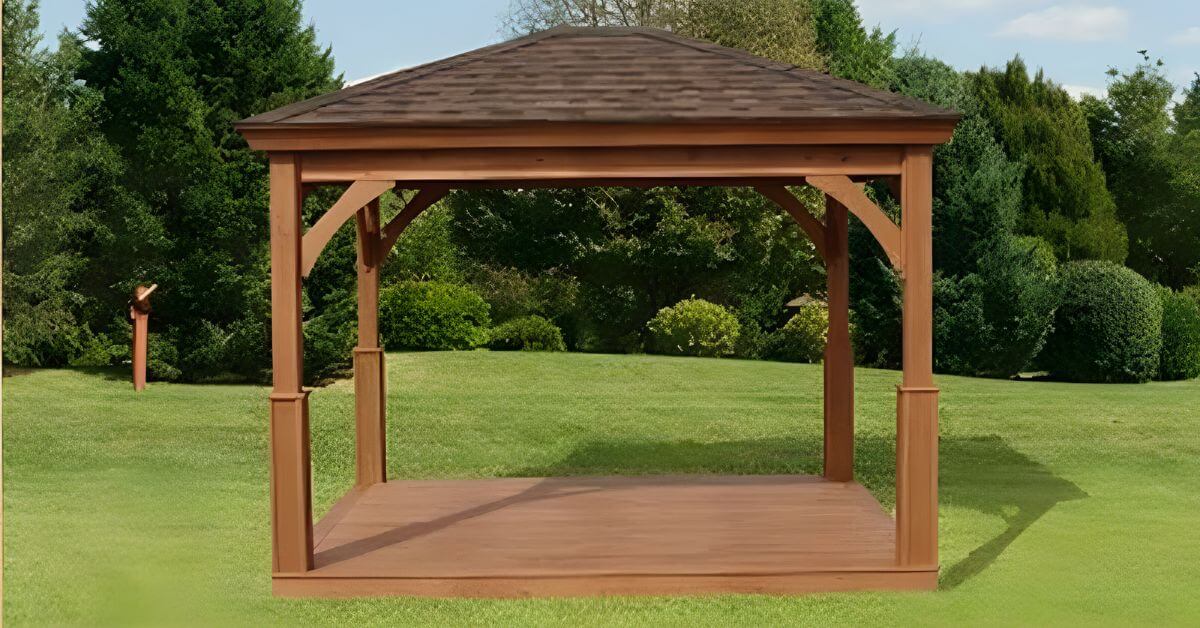
We offer wood pavilion kits and many other models with everything contractors need to get started on this project. Visit our website to explore pavilion options and start planning your park improvement project today.
Creating Spaces Where Communities Thrive
Pavilions are investments in the social health and vitality of your neighborhood. These gathering spaces facilitate the interactions and shared experiences that transform groups of residents into true communities. By providing shelter, functionality, and focal points for activity, pavilions help parks fulfill their essential role as democratic public spaces where everyone belongs.
Remember these reasons you should add a pavilion to your community’s park and browse our range of structure kits at Gazebo Depot. Get started with an all-inclusive kit that will enhance community engagement.