

The Captivating History of Gazebos Throughout Time
|The history of gazebos over time reveals how these architectural gems evolved from ancient luxury items to accessible backyard features that homeowners cherish today. Here is a quick dive into this structure’s history and how it became so popular.
The Earliest Notable Gazebos
Ancient civilizations recognized the appeal of covered outdoor structures that provided both comfort and scenic vantage points. Historians speculate based on murals that Egyptian pharaohs commissioned elaborate free-standing enclosures in their palace gardens. They used the structures for ceremonies and private contemplation. These early gazebo-like buildings likely featured intricate stone columns and decorative elements that reflected the wealth and power of their owners.
Persian gardens incorporated similar structures called “kiosks,” which served as cool retreats during hot summer months. These open-sided buildings typically featured domed roofs and ornate tilework that showcased the artistic skills of Persian craftsmen.
Another example of early gazebo-like structures is pavilions. Roman villas included garden pavilions where wealthy citizens could escape the heat while maintaining views of their carefully manicured landscapes.
The Medieval Era
Medieval nobility embraced gazebos as symbols of refinement and leisure within their castle grounds and manor gardens. These structures provided private spaces where lords and ladies could engage in courtly activities or simply relax outdoors.
Monastic communities also built simple gazebos in their herb gardens and meditation spaces. These functional structures allowed monks to pray or work outdoors while staying protected from sun and rain, demonstrating how they served practical purposes beyond mere decoration.
The Renaissance and Baroque Periods
The Renaissance brought dramatic changes to gazebo design as architects incorporated classical elements inspired by ancient Greek and Roman architecture. Formal gardens became elaborate outdoor rooms, with gazebos serving as architectural anchors that provided structure and visual interest. The structures featured columns, domed roofs, and classical details that reflected the period’s emphasis on proportion and harmony.
Baroque gardens took the gazebo design to new heights of complexity and grandeur. Elegant gardens across Europe, like the gardens of Versailles in France, showcased ornate gazebos with curved roofs, gilded details, and elaborate stonework. The structures became integral components of the formal garden layouts that characterized the Baroque period, positioned at the intersection of walking paths or at the center of geometric garden designs.
The 18th and 19th Centuries
English gazebos during the 18th century served as focal points for scenic views while maintaining the illusion of natural, unplanned placement. American colonists brought building traditions to the New World, adapting designs to local materials and climate conditions.
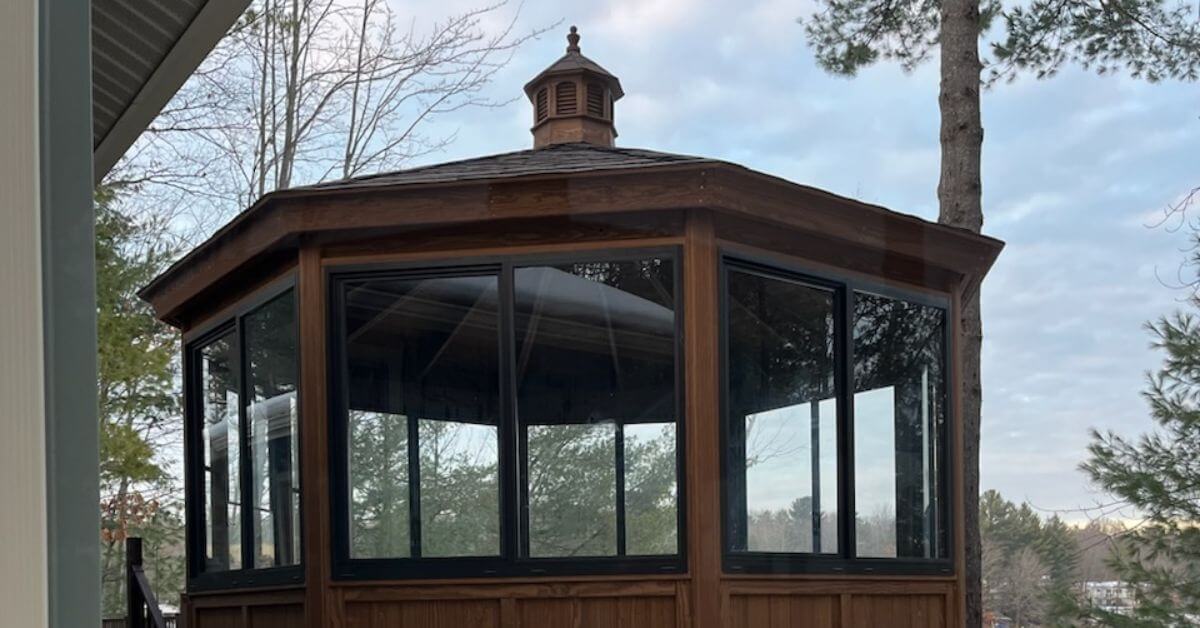
Victorian era gazebos reached new levels of decorative complexity, featuring elaborate wrought iron, ornamental details, and ornate brackets that showcased the metalworking skills of local craftsmen. The gazebos became central features of public parks and private gardens, and they also became symbols of social status. If people had a gazebo in their private garden, it suggested refined taste and high class.
The 20th and 21st Centuries
Modern gazebo design embraces both traditional and contemporary aesthetics, offering homeowners an unprecedented variety of styles and materials. Twentieth-century gazebos incorporated new materials like aluminum and vinyl. This style made gazebos more accessible to middle-class homeowners. Contemporary models feature clean lines and minimalist designs that complement modern architecture while allowing the occupant to have a clear view of the outdoor surroundings.
Today’s gazebos serve multiple functions beyond their traditional role as garden focal points. Many homeowners use gazebos as outdoor dining areas, entertainment spaces, or quiet retreats for reading and relaxation.
Different Types and Applications of Modern Gazebos
Contemporary gazebos come in various styles to suit different architectural preferences and functional needs. Traditional models feature classic octagonal or hexagonal shapes with pointed roofs and open sides that maximize airflow and views. Victorian-style gazebos incorporate decorative elements like ornate brackets and turned posts that echo the elaborate designs of the 19th century.
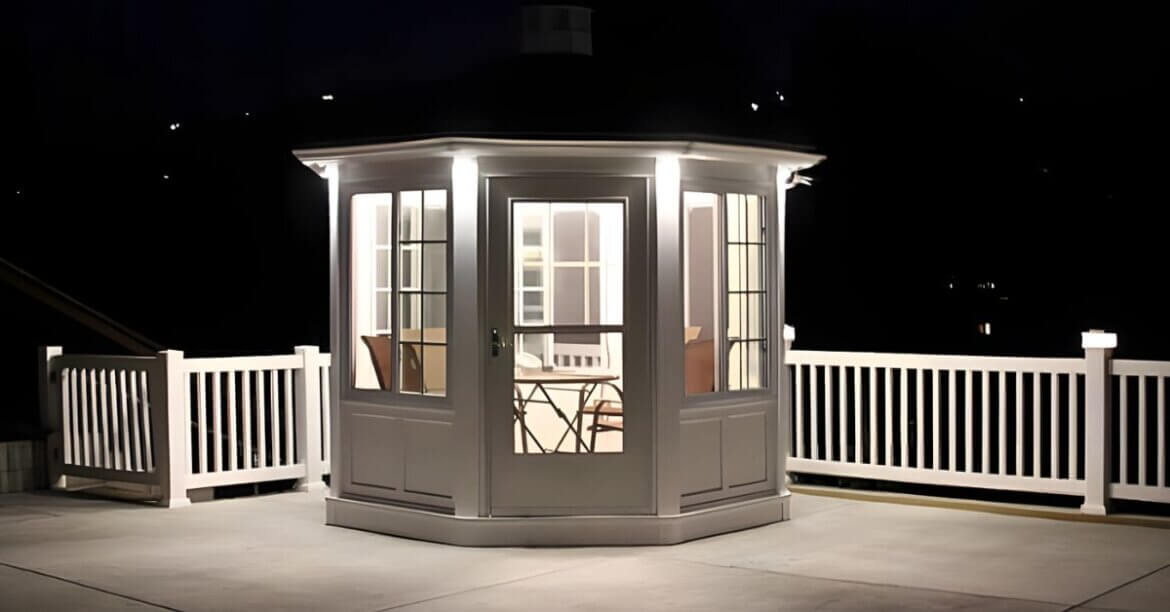
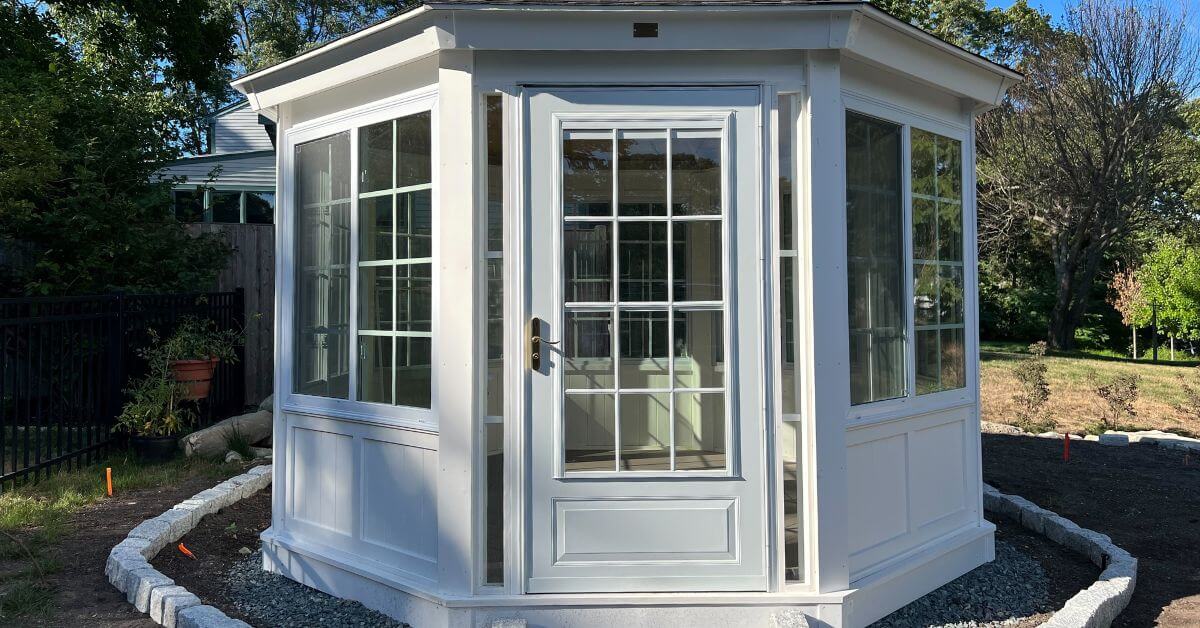
Modern gazebos often feature rectangular or square designs that provide maximum usable floor space for outdoor furniture and activities. Some models include built-in seating, lighting fixtures, or screening options that enhance their functionality. Some also come in outdoor enclosed gazebo varieties for maximum protection from the elements. Materials range from natural wood to low-maintenance vinyl.
Where Did the Name “Gazebo” Come From?
Now that you know more about the historical origins of gazebos throughout the years, you might be wondering where the name itself comes from. The term first appeared in English architectural writing during the 18th century, though the structures themselves existed long before the name became standardized.
The word “gazebo” has uncertain origins, though most language experts believe it derives from the English phrase “gaze about.” This etymology makes sense given the structure’s primary function as a vantage point for observing surrounding landscapes.
Some scholars suggest the term may combine “gaze” with the Latin suffix “-ebo” to create a mock-Latin word that means “I shall gaze.” Regional variations included terms like “summerhouse,” “pavilion,” and “belvedere,” all describing similar outdoor structures designed for relaxation and scenic viewing.
Considering Adding a Gazebo to Your Property?
Modern homeowners have more gazebo options than ever before. Shopping for a gazebo involves considering factors like size, materials, style, and intended use to find the perfect match for your outdoor space. Whether you prefer a classic Victorian design or a sleek modern structure, our high-quality models at Gazebo Depot continue to provide the same benefits that have made them popular for thousands of years.
Browse the extensive selection of gazebos and other yard structures at Gazebo Depot to find the perfect addition to your outdoor living space. Reach out to our team today to help you select a structure that complements your home’s architecture while meeting your functional needs.
A Timeless Addition to Any Landscape
The enduring popularity of gazebos throughout history reflects their ability to enhance outdoor spaces while providing practical benefits that homeowners value. From ancient Egyptian pavilions to modern backyard structures, gazebos have consistently served as bridges between indoor comfort and outdoor beauty.
If you’re looking for a way to add functionality and architectural beauty to your yard or property, browse our selection of structures at Gazebo Depot today. We’ll help you find the perfect match for your property and application.